
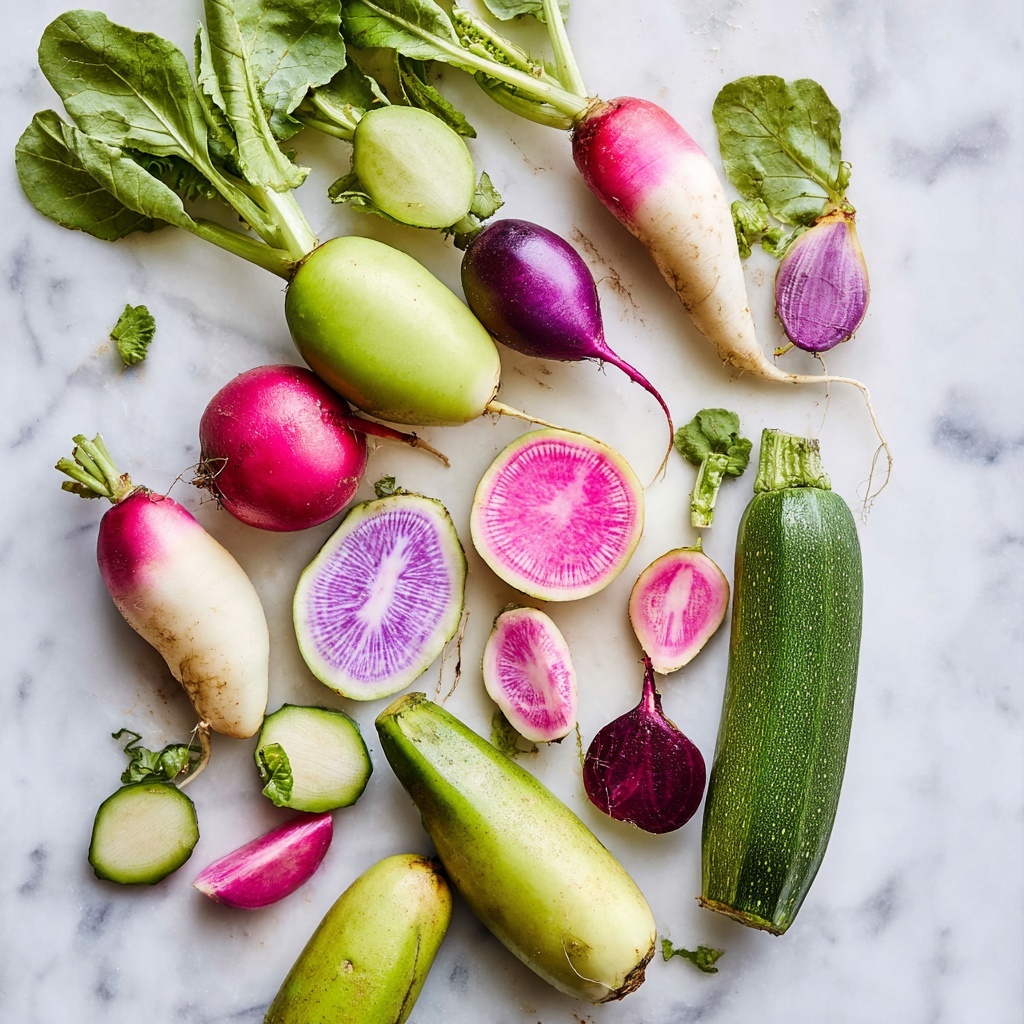
If you have ever wondered how to brighten up your meals with vibrant colors, surprising textures, and a burst of fresh, peppery flavor, you are going to love exploring the wonderful world of radishes. In this article, I’m so excited to share the ultimate guide to the Types of Radishes + How to Use Them Recipe, where you’ll discover an array of radish varieties—from the classic Cherry Belle to the intriguing Watermelon Radish—and learn how each one brings its own special magic to your kitchen. Whether you’re a salad lover, a fan of pickles, or someone who enjoys a little roasted crispness, this guide will inspire you to make radishes a staple ingredient in the most delicious ways.
Ingredients You’ll Need
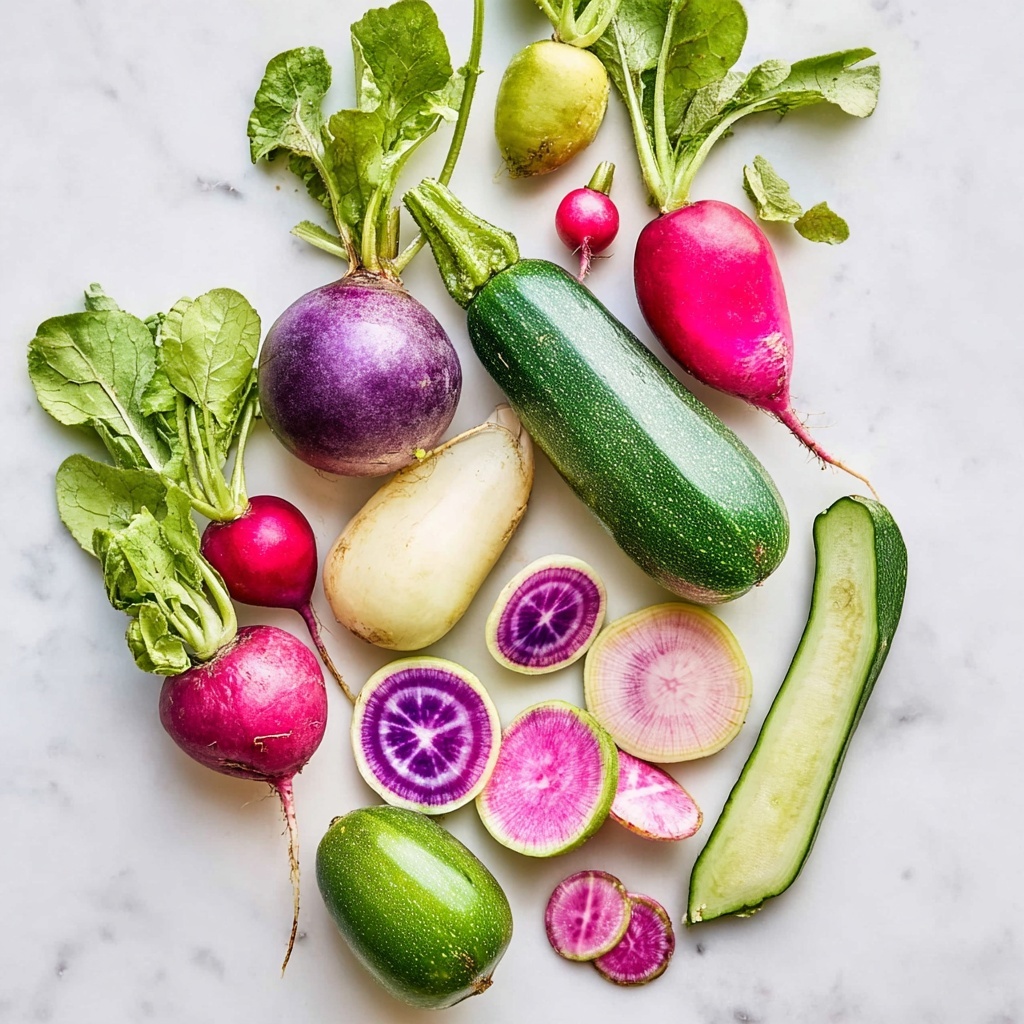
The beauty of this guide is that it doesn’t rely on a complex list of ingredients. Instead, each radish variety itself is a star ingredient, incredibly simple and straightforward, yet packed with freshness and delightful flavors. These radishes contribute color, crunch, and a peppery zing that is sure to elevate any dish you dream up.
- Cherry Belle Radish: A classic red radish with a crisp white center, perfect for snacking and salads.
- French Breakfast Radish: Oblong pink radishes with a tender texture ideal for light, crunchy bites.
- Daikon Radish: Long and mild-flavored, popular in stir-fries and soups.
- Watermelon Radish: Stunning green exterior and bright pink inside for visual appeal in salads.
- Black Radish: With a bold black skin and spicy kick, great for grating or roasting.
- Easter Egg Radishes: A vibrant mix of colors, perfect for raw snacking.
- Green Meat Radish (Qingluobo): Mild and pale green, versatile for soups and stews.
- White Icicle Radish: Long, slender, with a crisp texture, excellent pickled or roasted.
How to Make Types of Radishes + How to Use Them Recipe
Step 1: Getting to Know Your Radishes
First, take a moment to appreciate the different shapes, sizes, and colors of these radishes. Each variety has its own personality—from the tiny, round Cherry Belle to the large, white Daikon. Knowing these differences helps you decide how best to use each one in your cooking adventure.
Step 2: Preparing Radishes for Every Occasion
Wash radishes thoroughly and trim the tops to keep them fresh longer. Radishes can be enjoyed raw, sliced thinly to add a crisp bite to salads and slaws. Alternatively, they can be pickled to bring a tangy crunch or roasted to soften their heat and reveal unexpected sweetness.
Step 3: Experimenting with Flavors and Techniques
Try grating spicy Black Radishes into savory spreads or salads for an extra zing. Slice French Breakfast Radishes to top buttered toast sprinkled with sea salt—a simple yet elegant snack. Use Daikon in stir-fries or pickled as a refreshing side. The Watermelon Radish looks stunning on a platter, with its pop of pink igniting any dish’s visual appeal.
Step 4: Don’t Forget the Greens
Radish greens are often overlooked, but they are wonderfully nutrient-rich and flavorful. Sauté them lightly with garlic or blend them into a vibrant pesto to pair with pasta or as a spread. This is a fantastic way to use every bit of your radishes and reduce waste.
How to Serve Types of Radishes + How to Use Them Recipe
Garnishes
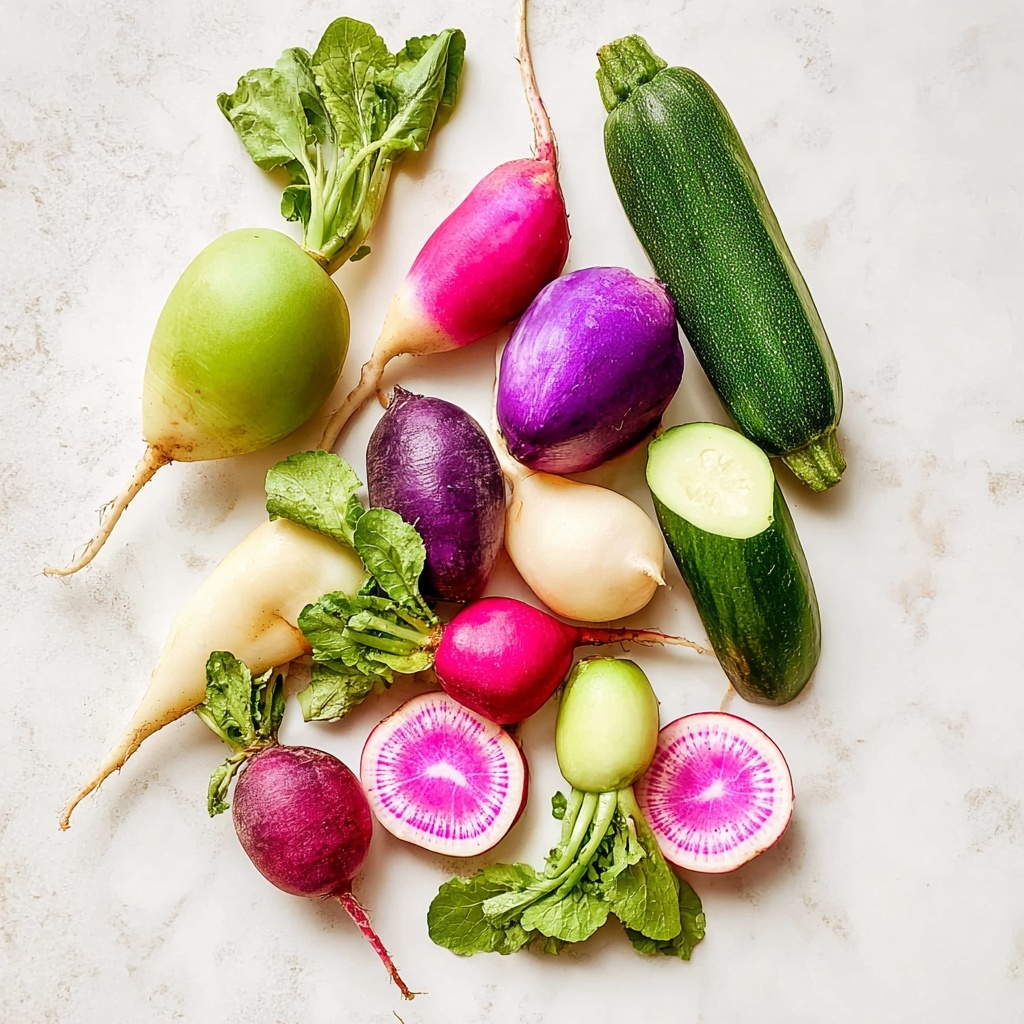
Thin slices of Watermelon Radish or colorful Easter Egg Radishes make exquisite garnishes. Their fresh crunch and eye-catching colors turn an ordinary dish into something special, whether scattered over warm grains, soups, or even cocktails.
Side Dishes
Pickled Daikon Radish or roasted Black Radish create flavorful side dishes full of depth. Their contrasting textures and flavors enhance mains, making each bite more interesting with a perfect balance of spice and sweetness.
Creative Ways to Present
Why not go beyond the basics by incorporating radishes into vibrant slaws, colorful salads, or as crisp toppings for tacos and sandwiches? Using radishes in creative ways adds freshness and crunch, and when arranged artfully, they elevate your presentation instantly.
Make Ahead and Storage
Storing Leftovers
To keep radishes crisp and fresh, store them in a sealed plastic bag in the fridge with their tops removed. This prevents moisture loss and bitterness. If radishes soften, soaking them in ice water for 10–15 minutes helps restore their crunch.
Freezing
Freezing whole raw radishes isn’t recommended because it affects texture significantly. Instead, try blanching sliced radishes if you want to freeze them for cooking later, although fresh is always best for snacking and salads.
Reheating
When reheating roasted radishes, a quick toss in a hot skillet or oven will revive their flavor and texture. Avoid microwaving as it can make them limp and reduce their bright flavors.
FAQs
What is the best way to eat raw radishes?
Raw radishes are brilliant when sliced thin and added to salads or slaws for a peppery crunch. You can also enjoy them simply with a pinch of salt or your favorite dipping sauce for a refreshing snack.
Are radish greens edible?
Absolutely! Radish greens are nutrient-dense and delicious when sautéed lightly or used in pesto. Incorporating the greens is a great way to reduce food waste and add a new flavor dimension to your meals.
Can all radishes be pickled?
Yes, most radishes can be pickled, but milder varieties like Daikon and Cherry Belle are especially popular for pickling because they absorb the flavors well and maintain a great crunch.
How spicy are Black Radishes compared to others?
Black Radishes tend to have a much stronger and spicier flavor than common radishes, so it’s best to start with small amounts and prepare them in ways that mellow the intensity, such as roasting or grating into mixed dishes.
Do radishes need to be cooked before eating?
Nope! Radishes can be enjoyed raw to highlight their crisp texture and peppery zing, but they can also be cooked or roasted to soften their bite and bring out delicate sweetness.
Final Thoughts
There is something incredibly joyful about bringing radishes into your kitchen, not just as a side note but as a vibrant and versatile ingredient worth celebrating. I hope this deep dive into the Types of Radishes + How to Use Them Recipe inspires you to try new varieties, experiment with flavors, and appreciate the full potential of these delightful globes of flavor. Happy radish tasting!