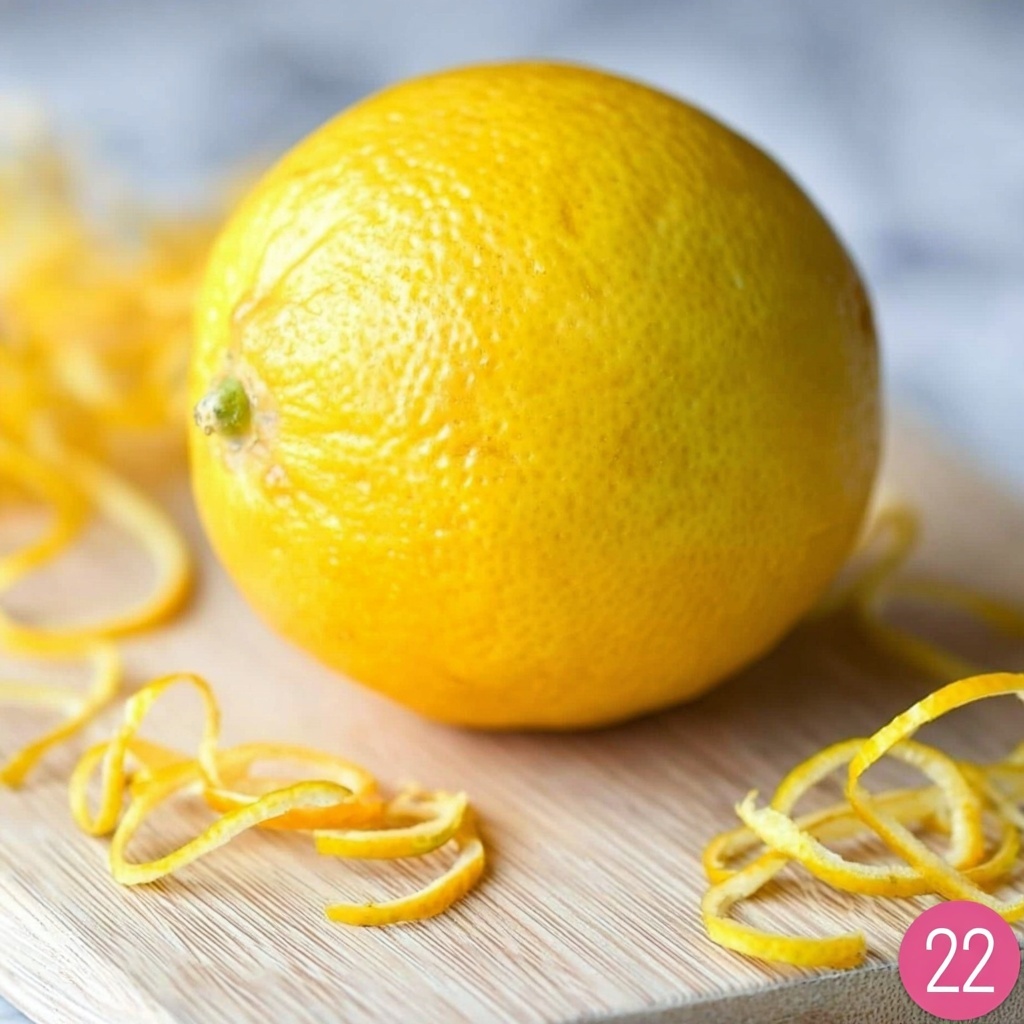
If you’ve ever wondered how to add that perfect burst of citrus flavor to your dishes, learning How to Zest a Lemon (5 Ways!) Recipe is an absolute game-changer. This simple yet incredibly versatile technique lets you elevate everything from desserts and salads to marinades and cocktails. Zesting a lemon properly means capturing the vibrant oils and bright notes from the peel without any bitterness from the white pith. In this guide, I’m excited to walk you through five foolproof ways to zest a lemon, each with its own charm and ease — trust me, these little techniques will quickly become a must-have skill in your kitchen!
Ingredients You’ll Need
Ingredients You’ll Need
Getting started is ridiculously easy because the ingredients are as pure as they come. The freshness and quality of the lemon you choose are key, as its aromatic peel is the star of this recipe. Each zesting method simply extracts different textures or quantities of that glorious lemon flavor.
- Fresh lemons: Choose lemons with bright, glossy skin that feels firm yet slightly yielding to your touch for the juiciest zest.
How to Make How to Zest a Lemon (5 Ways!) Recipe
Step 1: Zesting with a Microplane
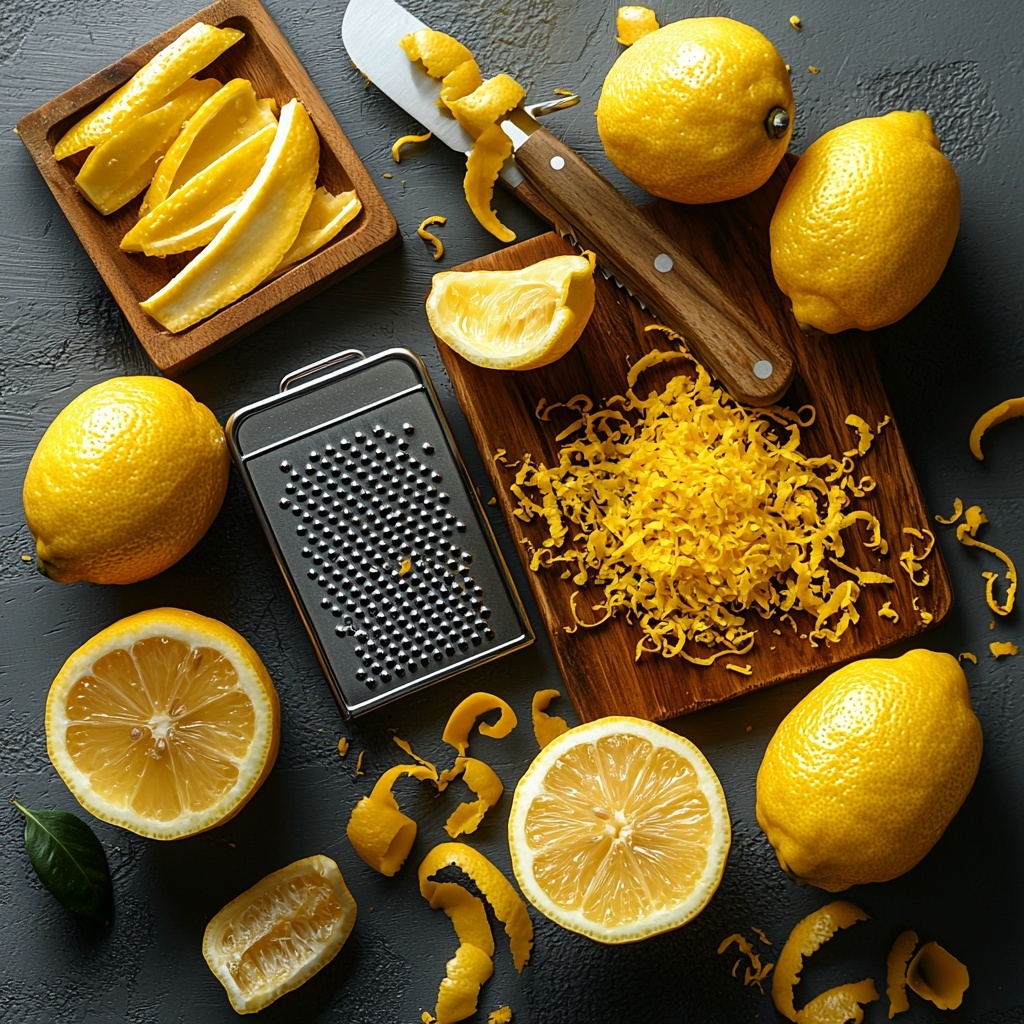
This is hands-down one of the easiest and most popular ways to zest a lemon. Grab a microplane grater and hold your lemon firmly. Move it back and forth over the sharp grates, rotating the lemon as you go, so you only scrape off the flavorful yellow skin. Be cautious of your fingers since a microplane is razor-sharp! You’ll end up with finely grated zest perfect for sprinkling directly onto your dishes.
Step 2: Using a Citrus Zester
A citrus zester is a nifty tool featuring tiny, sharp holes designed to remove thin, uniform strips of lemon peel. Position the holes at one end of the lemon, pressing just enough to pierce the skin without reaching the bitter pith underneath. Pull downward gently to peel off long, elegant ribbons of zest. It’s a beautiful method if you want zest with a little bite and a striking presentation.
Step 3: Zesting with a Boxed Cheese Grater
If the microplane is not at hand, a boxed cheese grater with small holes comes to the rescue. Use the smallest grating side, and rub the lemon back and forth, carefully moving your fingers away from the grates. This technique gives you zest that’s a bit more coarse and rustic, ideal for zesty garnishes or infusing into syrups and butters.
Step 4: Zesting with a Vegetable Peeler
This method yields larger, bold strips of lemon zest, perfect when the zest makes a statement in your recipes. Take a vegetable peeler, press it gently on the lemon’s surface, and swipe down to remove broad peels. Be mindful not to dig too deep to keep the pith from sneaking in, which can add unwanted bitterness. Once peeled, you can finely chop the strips if you prefer smaller pieces for cooking or baking.
Step 5: Zesting with a Knife
Here’s a classic technique if you like the old-school kitchen approach. Start by cutting off one lemon end and set it cut-side down on a board for stability. Using a sharp paring knife, slice the bright yellow zest carefully, avoiding the white pith below. After peeling, you can also chop the zest finely for versatile usage. This method offers control over the thickness and size of the zest, which some cooks prefer for tailored texture in dishes.
How to Serve How to Zest a Lemon (5 Ways!) Recipe
Garnishes
Lemon zest is a magic touch for garnishes! Sprinkle freshly grated zest over cakes, muffins, or even savory dishes like grilled fish or roasted vegetables. The natural oils in the zest add a fresh aroma and vibrant pop of color that makes any plate feel special.
Side Dishes
Incorporate lemon zest into side dishes like herbed rice, quinoa, or couscous to brighten their flavors instantly. It pairs unbelievably well with greens and legumes, waking up the dish with zesty vibrance and subtle citrus zing.
Creative Ways to Present
Serve lemon zest creatively by placing thin zest ribbons on top of cocktails, infusing it in olive oil or butter, or mixing it into homemade salad dressings and marinades. These techniques let the scent and flavor unfold naturally while lending a dash of elegance to your creations.
Make Ahead and Storage
Storing Leftovers
If you zest more lemon than you need, no worries! Store leftover zest in an airtight container in the refrigerator for up to a week. This keeps the zest fresh and fragrant, ready for your next culinary adventure.
Freezing
For longer storage, freeze lemon zest in small portions, like in ice cube trays or tightly sealed bags. Frozen zest maintains a great deal of its flavor and is perfect to add directly into hot dishes without thawing.
Reheating
Since lemon zest is usually added at the end of cooking or used fresh, reheating isn’t generally necessary. However, if you incorporate zest into sauces or baked goods, its flavor will mellow gently during reheating.
FAQs
Can I use bottled lemon zest instead?
While bottled lemon zest is convenient, it lacks the fresh, vibrant oils present in freshly zested lemons. For the brightest lemon flavor and aroma, fresh zest from your lemons always wins.
How do I avoid the white pith when zesting?
Always zest carefully and shallowly, stopping as soon as the yellow skin is removed. The white pith is bitter and can alter the taste of your dishes, so use tools designed to remove just the peel or adjust your pressure accordingly.
Which zesting method is best for baking?
Microplane zesting is typically preferred for baking due to its fine, even texture that blends seamlessly into batters and doughs.
Can I zest other citrus fruits the same way?
Absolutely! The same zesting techniques work well for oranges, limes, and grapefruits, each offering their own unique flair and flavor.
How long does lemon zest keep its flavor?
Fresh lemon zest is most flavorful for up to a week refrigerated, but freezing can extend its usability for several months without significant flavor loss.
Final Thoughts
Mastering How to Zest a Lemon (5 Ways!) Recipe opens so many doors in the kitchen, making your cooking and baking burst with fresh, lively citrus notes. Whether you’re whisking up a quick vinaigrette or sprinkling the finishing touches on a dessert, zest adds that little spark of joy every recipe deserves. I can’t recommend trying these techniques enough — once you start, you might just find yourself reaching for lemons way more often!
Print
How to Zest a Lemon (5 Ways!) Recipe
- Prep Time: 2 minutes
- Cook Time: 0 minutes
- Total Time: 2 minutes
- Yield: 1 serving of lemon zest
- Category: Preparation
- Method: No-Cook
- Cuisine: Universal
Description
Learn five different effective ways to zest a lemon perfectly using common kitchen tools. This guide covers techniques using a microplane, citrus zester, boxed cheese grater, vegetable peeler, and a knife to help you easily remove lemon zest for your recipes.
Ingredients
Ingredients
- 1 lemon (or more, depending on your needs)
Instructions
- To Zest with a Microplane: Move the lemon back and forth over the sharp grates of the microplane while rotating the lemon. Be cautious of your fingers as the edges are very sharp. Continue until all the lemon peel (yellow zest) is removed.
- To Zest with a Citrus Zester: Place the fine, sharp-edged holes of the citrus zester at one end of the lemon and follow its curvature. Push lightly into the peel and pull down to the other end to remove strips of zest. Repeat until the entire peel is stripped off, leaving only the white pith.
- To Zest with a Boxed Cheese Grater: Use the side of the cheese grater with the smallest holes. Hold the lemon and grate it against the holes, moving back and forth carefully to avoid grating your fingers. Continue until all the yellow zest has been removed.
- Using a Vegetable Peeler: Place the peeler’s sharp edge on one end of the lemon and peel downwards gently, while avoiding removing too much of the white pith beneath the zest. Repeat until all peel is removed. Optionally, finely chop the peel for smaller pieces.
- To Zest with a Knife: Cut off one end of the lemon and stand it cut-end down on a cutting board for stability, or hold it steady. Carefully slice off the bright yellow peel at an angle, avoiding the white pith underneath. Remove any remaining pith and optionally finely chop the zest into smaller pieces as desired.
Notes
- Be cautious of your fingers when using sharp tools like microplanes and graters to avoid injury.
- Remove only the yellow zest, as the white pith beneath is bitter and can affect the flavor.
- Finely chopped zest can be used as a garnish or mixed into recipes for enhanced flavor.
- Fresh lemon zest is best used immediately for optimal aroma and taste, but can be stored in an airtight container for up to 2 days in the refrigerator.
- Wash lemons thoroughly before zesting to remove any wax or pesticides.