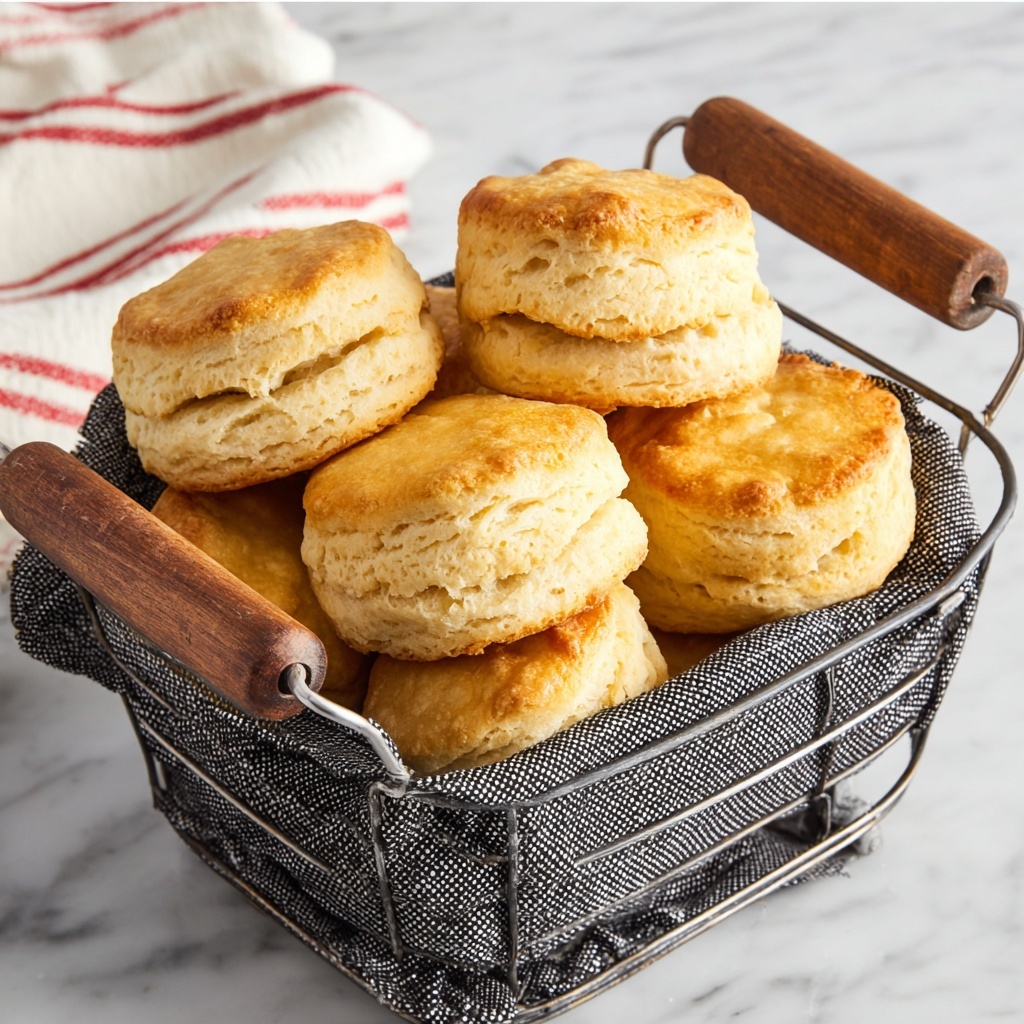
If you’re craving that warm, flaky, buttery goodness fresh from the oven, then this Homemade Biscuits Recipe is going to be your new best friend. These biscuits are soft on the inside, golden on the outside, and perfect for any meal—whether you’re stacking them with gravy, slathering on butter and jam, or simply enjoying them fresh. The beauty of this recipe is how simple the ingredients are, yet the results feel absolutely indulgent. Once you make these biscuits from scratch, you’ll wonder why you ever settled for store-bought ones.
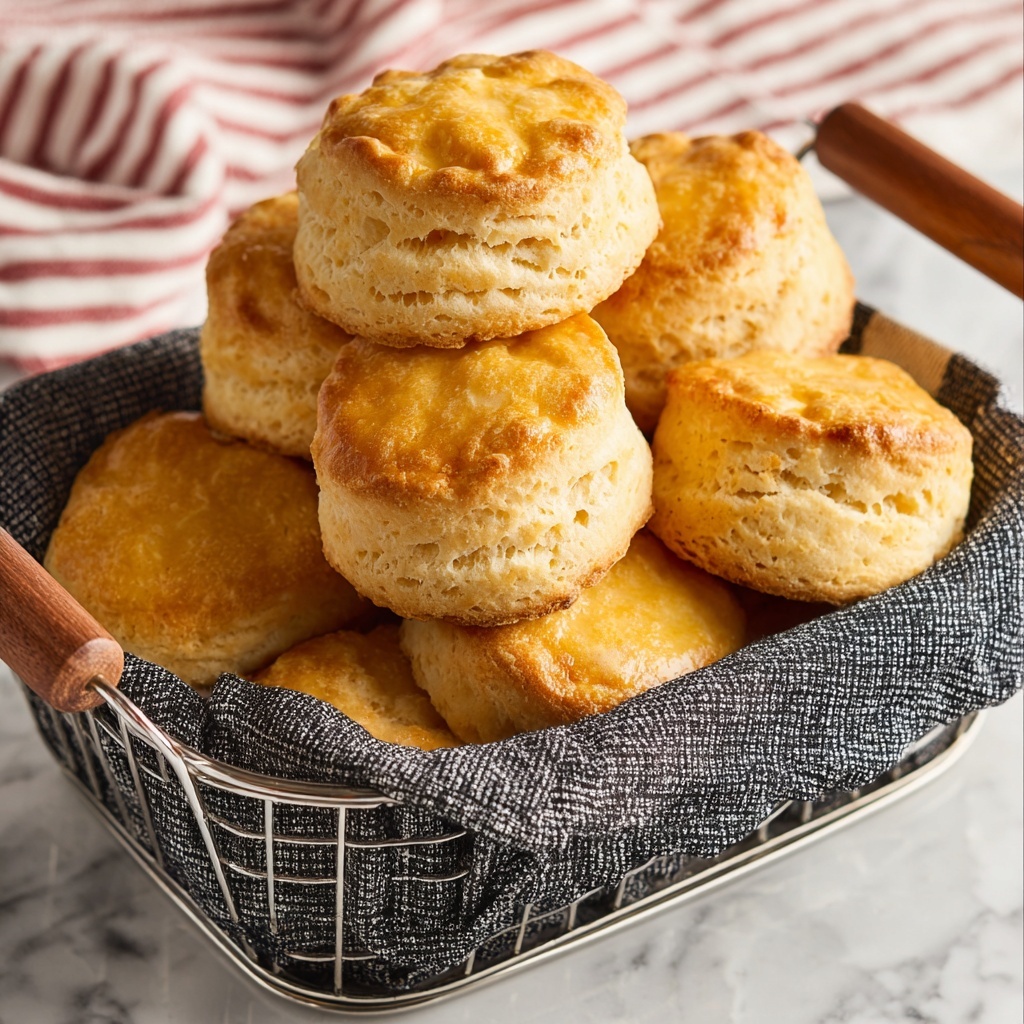
Ingredients You’ll Need
Every ingredient in this recipe plays a vital role in building that perfect biscuit texture and flavor. From the warmth of the butter to the slight sweetness in the sugar, each element comes together effortlessly to create something truly special.
- 2 cups all-purpose flour: The foundation that provides structure yet keeps the biscuits tender.
- 1 1/2 tbsp baking powder: This little powerhouse gives the biscuits their signature lift and fluffiness.
- 1 tbsp granulated sugar: Just enough sweetness to balance the savory without overpowering.
- 1 tsp salt: Enhances all the flavors and makes every bite sing.
- 1/2 cup unsalted butter (cold and diced): The key to flaky layers and rich flavor—keep it cold for best results.
- 3/4 cup half and half (or whole milk): Adds moisture and tenderness to the dough.
- 1/2 tbsp melted butter (to brush on top): For that golden, glossy finish that adds irresistible appeal.
How to Make Homemade Biscuits Recipe
Step 1: Prep Your Butter
Start by dicing your unsalted butter into small half-inch cubes and pop them into the refrigerator to keep them cold. This step is crucial because cold butter creates those signature flaky layers by steaming during baking.
Step 2: Preheat and Prepare
Turn your oven on to 450 degrees Fahrenheit and line a cookie sheet with nonstick parchment paper. This ensures your biscuits bake evenly and don’t stick, making cleanup a breeze.
Step 3: Mix Dry Ingredients
In a large bowl, whisk together the flour, baking powder, sugar, and salt until well combined. Mixing these dry ingredients thoroughly helps your biscuits rise evenly and bake to perfection.
Step 4: Cut in the Butter
Add the cold diced butter to the flour mixture. Using a pastry blender, cut the butter into the flour until the biggest butter pieces are about the size of peas. This is where the magic happens to create that light, flaky texture.
Step 5: Add the Milk
Pour in the half and half (or whole milk) and stir gently with a wooden spoon or a heavy spatula until everything just comes together. Remember, don’t overwork the dough; you want it combined but still tender.
Step 6: Form the Dough
Lightly flour a clean surface and transfer your dough onto it. Use your hands to gently work it into a manageable ball. If the dough feels sticky, sprinkle a little more flour as needed. Patting the dough gently instead of kneading helps preserve the flaky layers.
Step 7: Fold and Cut
Pat your dough into a rectangle. Fold it in half and pat it into a rectangle again—repeat one more time for a total of two folds—then finally pat it into a 5 by 10-inch rectangle about 3/4 to 1 inch thick. Flour your 2 1/2-inch biscuit cutter, then cut out 7 to 8 biscuits. Gather the scraps, reshape, and cut two more to get a total of around 10 biscuits.
Step 8: Bake and Butter the Tops
Arrange the biscuits on your prepared baking sheet about an inch apart. Slide them into the preheated oven and bake for 12 to 15 minutes, or until the tops turn a gorgeous golden brown. While they’re still hot, brush the tops with melted butter for that glossy, buttery finish. Serve warm and watch everyone fall in love.
How to Serve Homemade Biscuits Recipe
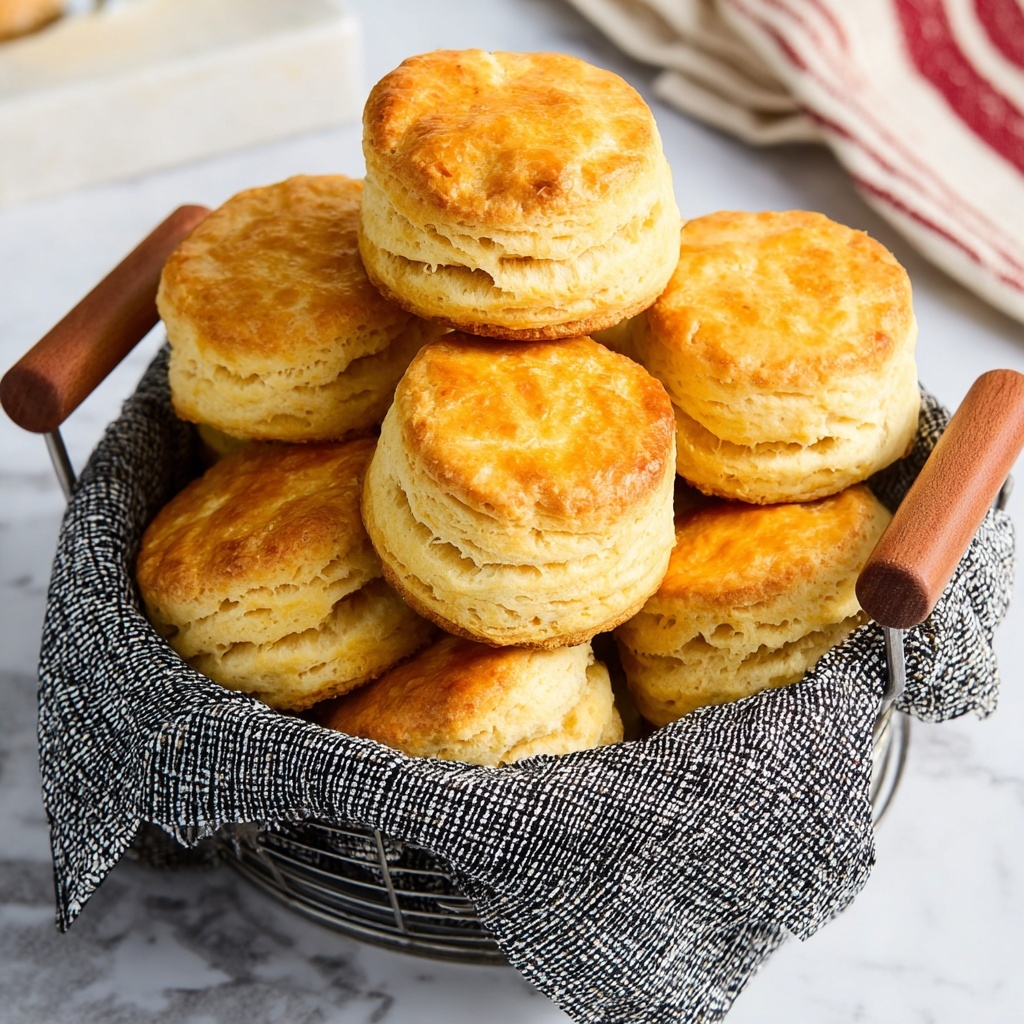
Garnishes
There’s nothing quite like the simplicity of a hot biscuit with a pat of butter melting right on top—it’s a classic for a reason. You can also jazz things up with honey, homemade jam, or even a sprinkle of flaky sea salt for a special touch that elevates each bite.
Side Dishes
These biscuits are like little taste-bud magnets that pair wonderfully with savory dishes such as fried chicken, creamy gravies, or a hearty breakfast spread featuring scrambled eggs and bacon. Their comforting texture balances bold, rich flavors beautifully.
Creative Ways to Present
Try splitting the biscuits and sandwiching them with some sausage patties and a drizzle of spicy maple syrup for a breakfast treat. Another fun idea is to use them as a base for mini open-faced sandwiches topped with fresh greens and smoked salmon for an impressive brunch showstopper.
Make Ahead and Storage
Storing Leftovers
If you have any leftover biscuits—which is rare—store them in an airtight container at room temperature for up to 2 days. This keeps them soft and ready to be reheated quickly whenever the craving strikes again.
Freezing
For longer storage, these biscuits freeze beautifully. Place cooled biscuits in a freezer bag or airtight container, separating layers with parchment paper, and freeze for up to 3 months. When you want a fresh biscuit fix, just pull out what you need.
Reheating
To bring frozen or leftover biscuits back to life, simply heat them in a 350-degree Fahrenheit oven for 10 minutes or until warm. You can also wrap them in foil if reheating from frozen to prevent over-browning. For a quick fix, a microwave works too—just 20 to 30 seconds to soften them up wonderfully.
FAQs
Can I substitute butter with shortening or oil?
While butter gives the best flavor and flakiness, you can use shortening for a slightly different texture that stays tender but less rich. Oil is not recommended as it won’t create the flaky layers typical of biscuits.
Why are my biscuits dense instead of fluffy?
Dense biscuits usually result from overworking the dough, using too much flour, or old baking powder. Be gentle mixing and folding, and check that your baking powder is fresh to achieve light, fluffy biscuits.
Can I use milk instead of half and half?
Absolutely! Whole milk works perfectly as a substitute and will keep your biscuits tender. Half and half just adds a bit more richness if you have it on hand.
How important is it to keep the butter cold?
Very important! Cold butter creates steam pockets as it melts during baking, which results in those delightful flaky layers. If the butter warms up, the biscuits may turn out more dense and less tender.
Can I add cheese or herbs to this recipe?
Definitely! Mixing shredded sharp cheddar or fresh herbs like chives into the dough before baking adds a wonderful savory twist that makes this Homemade Biscuits Recipe even more versatile and exciting.
Final Thoughts
This Homemade Biscuits Recipe is truly a humble kitchen hero, delivering bakery-quality biscuits with simple ingredients and easy steps. Once you discover how rewarding it is to make these from scratch, they’ll become a staple in your home cooking repertoire. So grab your rolling pin and biscuit cutter, and get ready to fill your kitchen with the aroma of fresh, golden biscuits—your taste buds will thank you!