“`html
There is something truly magical about a Homemade Mayonnaise Recipe that elevates any dish it accompanies. Creamy, tangy, and perfectly smooth, this classic condiment brings homemade charm and unbeatable flavor to sandwiches, salads, and dips. Forget store-bought jars filled with preservatives; making your own mayonnaise at home is not only surprisingly simple but also allows you to customize every bite with fresh ingredients you trust. Once you master this recipe, you’ll wonder how you ever lived without the luscious richness of a freshly whipped, velvety mayonnaise crafted in your own kitchen.
Ingredients You’ll Need
The beauty of this Homemade Mayonnaise Recipe lies in its simplicity. Each ingredient plays a pivotal role, contributing to the creamy texture, tangy zest, and balanced flavor that make this mayo shine. Using high-quality ingredients guarantees the best results and a mayonnaise you’ll want to dollop on just about everything.
- 2 high-quality egg yolks: These create the silky base and help emulsify the oil into a creamy texture; pasteurized yolks are safest.
- 1 teaspoon Dijon mustard: Adds a gentle sharpness and assists in stabilizing the emulsion.
- 2 cups neutral vegetable oil: Safflower, canola, or grapeseed oils have a light flavor perfect for creamy mayonnaise without overpowering it.
- 6 tablespoons white wine vinegar: Brings acidity and brightness; alternatively, cornichon pickle juice adds an exciting tangy twist.
- 1 teaspoon lemon juice: Enhances freshness and balances the fat with citrusy notes.
- Salt to taste: Essential for lifting all flavors and rounding out the richness.
How to Make Homemade Mayonnaise Recipe
Step 1: Prep the Egg Yolks
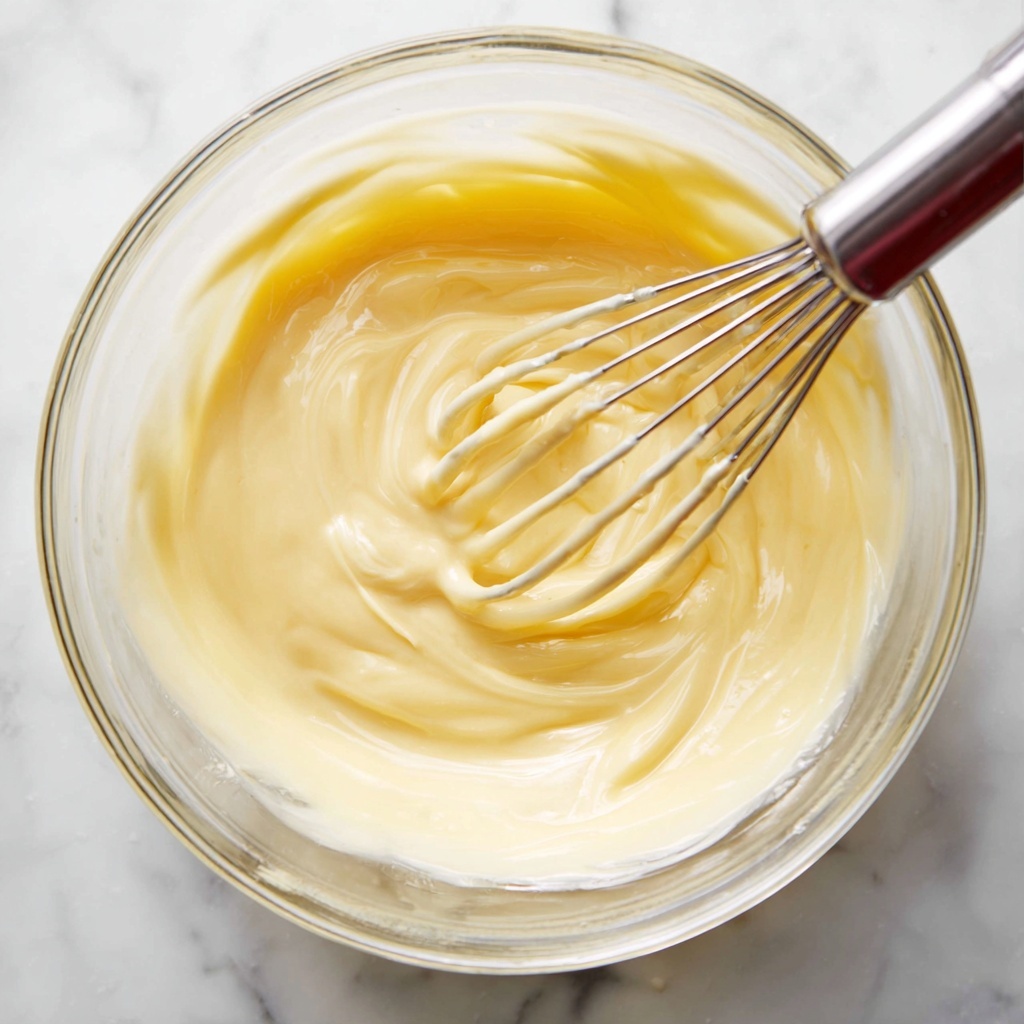
Start by whisking the egg yolks in a bowl or measuring jug until they turn pale and fluffy—about 2 to 3 minutes of vigorous whisking. This step is crucial as it starts the emulsification process and incorporates air for a lighter texture. Then, add the Dijon mustard and beat it in for another 1 to 2 minutes, which deepens the flavor and strengthens the emulsification.
Step 2: Incorporate Half of the Oil Slowly
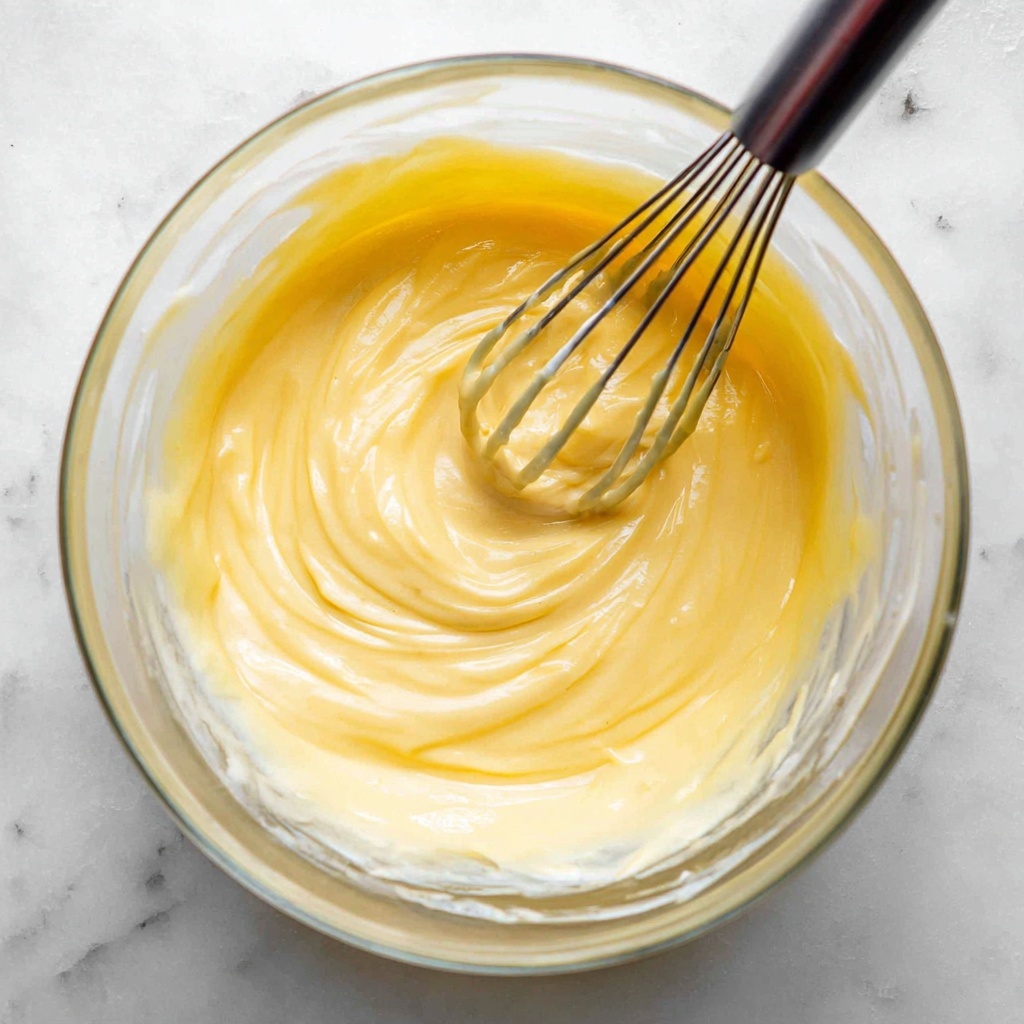
Now, it’s time to add the oil—slowly! Begin pouring the oil by the tablespoon into the yolks while whisking constantly and vigorously. Pausing between additions ensures the oil is fully absorbed and emulsified before more oil is introduced, preventing the mixture from breaking. This gentle patience creates the creamy texture you’re aiming for.
Step 3: Loosen the Mixture with Vinegar
Once about half of the oil has been incorporated, stop adding oil temporarily. Whisk in 1 tablespoon of white wine vinegar to loosen the sauce slightly and bring a beautiful pale color to the mayonnaise. This acidity also helps stabilize the mixture and enhances the overall flavor.
Step 4: Add the Remaining Oil
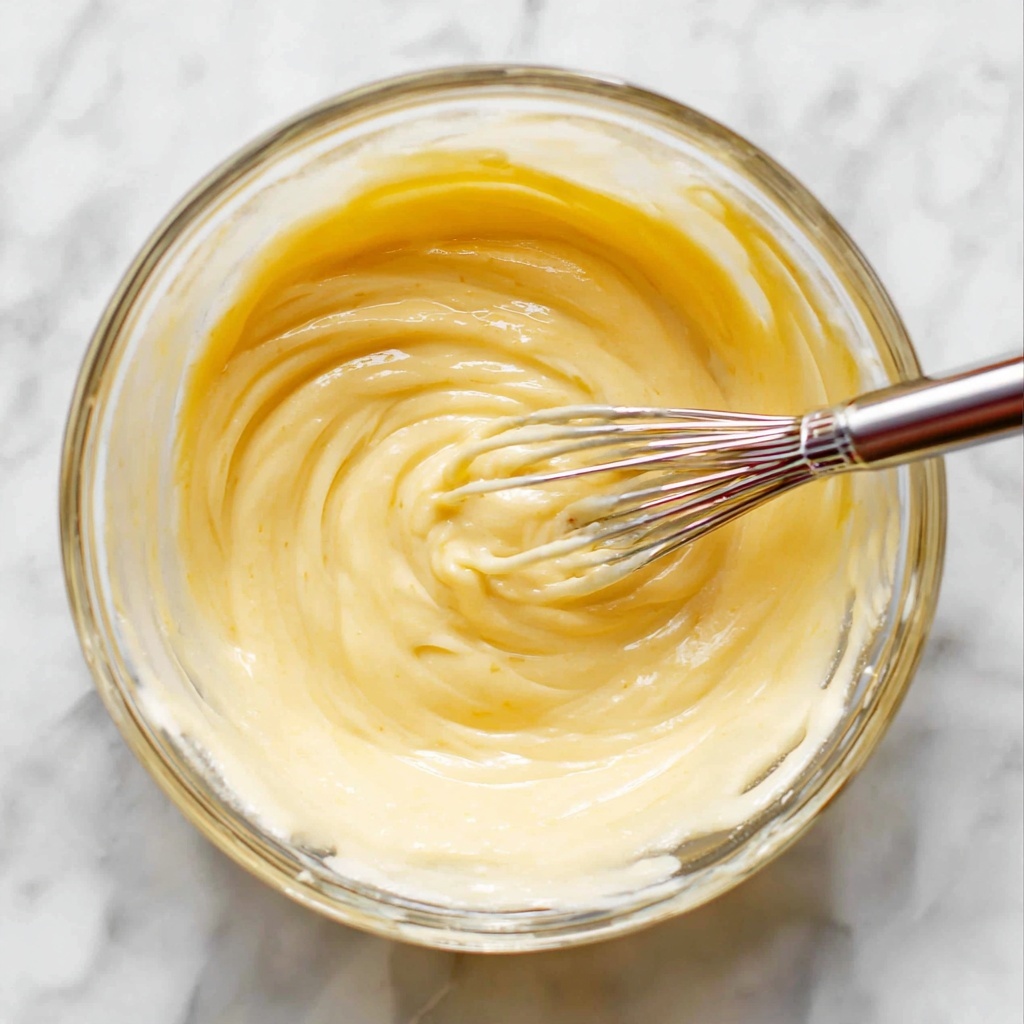
With your mixture nicely loosened, slowly add in the rest of the oil while whisking continuously. This keeps the emulsion strong and thickens the mayonnaise to that irresistibly creamy consistency. Take your time and enjoy the transformation happening right before your eyes.
Step 5: Season to Perfection
Finally, season your mayonnaise with lemon juice, extra vinegar or pickle juice if you prefer more tang, and salt to taste. Adjusting these elements tailors your Homemade Mayonnaise Recipe to your exact liking. Once done, keep your mayonnaise refrigerated and use within five days for the freshest experience.
How to Serve Homemade Mayonnaise Recipe
Garnishes
Adding garnishes to your homemade mayo is a great way to add a pop of flavor or a decorative touch. Fresh herbs like chives, parsley, or dill sprinkle on top add a burst of color and freshness, while a light dusting of smoked paprika or cracked black pepper gives a subtle smoky or spicy edge that will make each dip even more enticing.
Side Dishes
Homemade mayonnaise is the perfect companion for countless side dishes. Try it with crispy fries, crunchy vegetable sticks, or as a creamy layer in potato salad. It also pairs wonderfully with grilled chicken or seafood, turning simple plates into something delightfully indulgent.
Creative Ways to Present
Think beyond the basic spoon! Serve your mayonnaise as a swirl atop burgers, a spread in sandwich wraps, or even dolloped next to roasted veggies for dipping. You can also infuse it with flavors like garlic, truffle oil, or sriracha to keep things exciting and personalized for your taste buds.
Make Ahead and Storage
Storing Leftovers
Keep your Homemade Mayonnaise Recipe chilled in an airtight container in the refrigerator. Properly stored, it stays fresh and safe to eat for up to five days. Always use a clean spoon to avoid contamination and keep that fresh, bright flavor intact.
Freezing
Freezing homemade mayonnaise is not recommended. The delicate emulsion tends to separate once thawed, losing its creamy texture and becoming watery. For the best experience, enjoy your mayo fresh within a few days of making it.
Reheating
Since mayonnaise is served cold or at room temperature, it should never be heated or microwaved. Warm temperatures will cause the emulsion to break, spoiling the mayonnaise’s beautiful consistency.
FAQs
Can I use whole eggs instead of just egg yolks?
While whole eggs can be used in some mayonnaise recipes, using only the yolks yields a richer, creamier texture. Yolks have more fat and emulsifying agents essential for that classic mayo consistency, making them ideal for this recipe.
Is it safe to use raw egg yolks?
To reduce risk, it’s best to use pasteurized egg yolks, which have been heat-treated to kill bacteria without cooking the egg. If pasteurized yolks aren’t available, always source fresh eggs from trusted suppliers and keep your mayonnaise refrigerated.
Why did my mayonnaise separate or not thicken?
Mayonnaise can break if the oil is added too quickly or if the mixture isn’t whisked constantly and vigorously. Slow, steady incorporation of oil and continuous whisking are key to achieving a smooth emulsion. If separation occurs, try recovering with a fresh egg yolk and slowly whisk your broken mayo into it.
Can I use flavored oils for making this mayonnaise?
Neutral oils are recommended because they allow the other flavors to shine. Using strongly flavored oils like olive oil can overpower the mayonnaise and sometimes result in a bitter taste. If you want extra flavor, it’s best added after the mayonnaise base is made.
How can I make my mayonnaise thicker?
If your mayonnaise is too thin, continue whisking it while slowly adding more oil a drop at a time. This gradual process helps the emulsion firm up. Additionally, chilling the mayonnaise in the refrigerator for an hour can also help it thicken before serving.
Final Thoughts
Making your own Homemade Mayonnaise Recipe is a rewarding and delicious adventure that transforms everyday meals into something special. Once you taste the creamy, tangy goodness you’ve made yourself, you’ll never want to go back to store-bought. Give this recipe a try—it’s simple, satisfying, and a wonderful way to impress your family and friends with a little homemade magic.
“`
Print
Homemade Mayonnaise Recipe
- Prep Time: 10 minutes
- Cook Time: 0 minutes
- Total Time: 10 minutes
- Yield: Approximately 32 tablespoons
- Category: Condiment
- Method: Blending
- Cuisine: American
- Diet: Gluten Free
Description
This homemade mayonnaise recipe yields a creamy, tangy condiment made from scratch using simple ingredients like egg yolks, mustard, and neutral vegetable oil. Perfect for sandwiches, dressings, and dips, this easy-to-make mayonnaise boasts a fresh flavor enhanced with white wine vinegar, lemon juice, and optional pickle juice for a unique twist.
Ingredients
Main Ingredients
- 2 high-quality egg yolks (pasteurized recommended)
- 1 teaspoon Dijon mustard
- 2 cups neutral vegetable oil (such as safflower, canola, or grapeseed)
- 6 tablespoons white wine vinegar (or substitute with cornichon pickle juice for more flavor, adjust quantity to taste)
- 1 teaspoon lemon juice (or more to taste)
- Salt, to taste
Instructions
- Prep egg yolks: Whisk the egg yolks in a bowl or measuring jug vigorously for about 2-3 minutes until they become pale, fluffy, and increased in volume. Add the Dijon mustard and continue beating for another 1-2 minutes. Tilt the bowl if necessary to whisk evenly.
- Add half of the oil: Slowly pour the oil into the egg mixture while whisking continuously and rapidly. Pause to fully incorporate the oil after every tablespoon before adding more to ensure a smooth emulsification.
- Loosen mixture: When about half of the oil has been added, stop pouring. Whisk in 1 tablespoon of white wine vinegar to loosen the mixture, which will also become paler in color.
- Add remaining oil: Gradually pour in the remaining oil slowly while constantly whisking the mixture until all the oil is fully incorporated and the mayonnaise thickens.
- Season: Adjust the taste by adding lemon juice, more vinegar or pickle juice, and salt to your preference. Refrigerate the mayonnaise at all times and use within 5 days for best freshness.
Notes
- Use pasteurized egg yolks for safety, especially if serving to children, pregnant women, or the elderly.
- Adjust vinegar or pickle juice quantity based on preferred tartness.
- Keep mayonnaise refrigerated and consume within 5 days.
- If the mayonnaise breaks or separates, whisk in a teaspoon of warm water to bring it back together.
- Use a neutral oil to avoid overpowering flavors; avoid olive oil unless you prefer a strong taste.