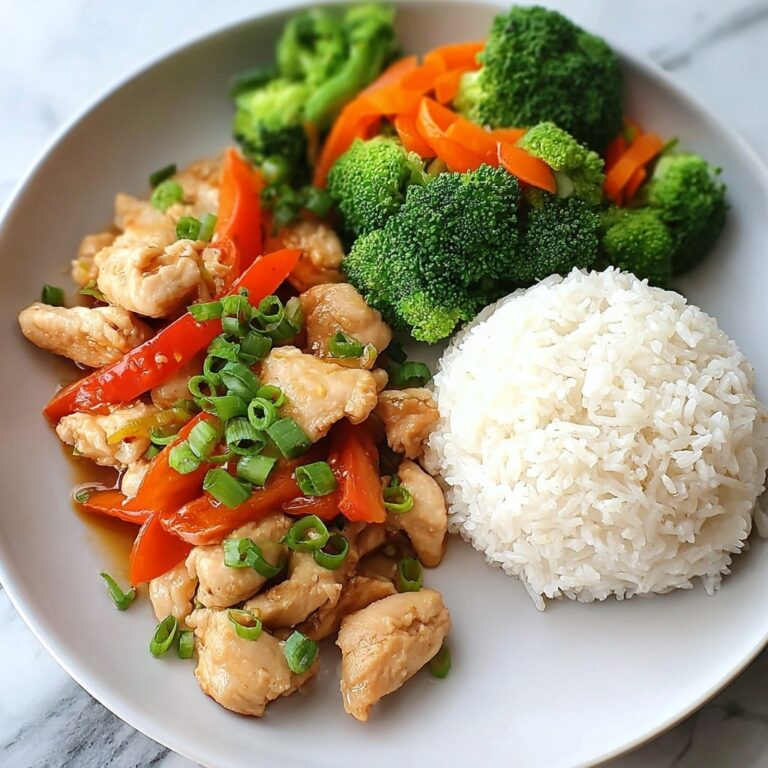
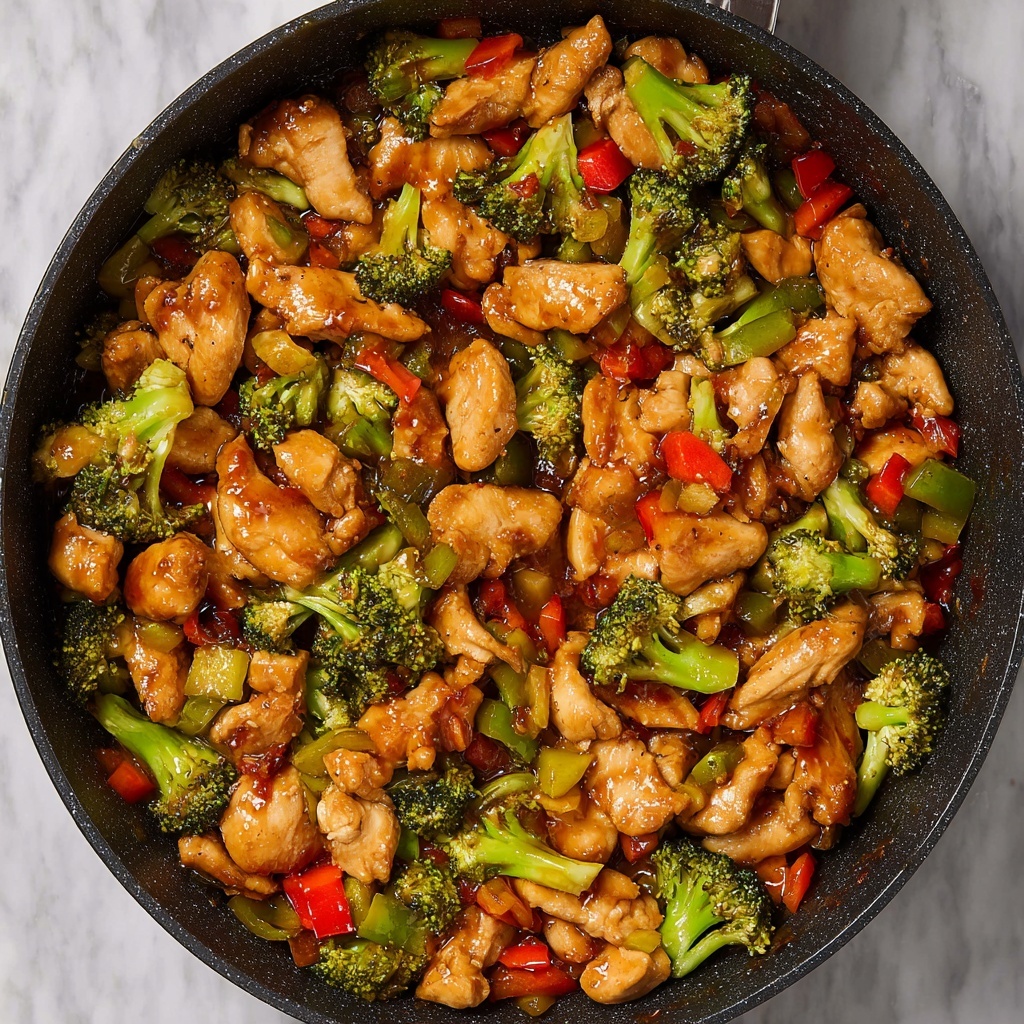
If you are craving a dish that bursts with bold flavors, crisp vegetables, and tender chicken all cooked to perfection, this Hunan Chicken Recipe is a total winner. Balancing a perfect harmony of spicy, sweet, and savory notes, it delivers that authentic taste of Hunan cuisine right to your kitchen. Whether you’re a weeknight dinner hero or just looking to impress guests with something vibrant and satisfying, this recipe blends simple ingredients into a meal that’s full of personality and excitement.
Ingredients You’ll Need
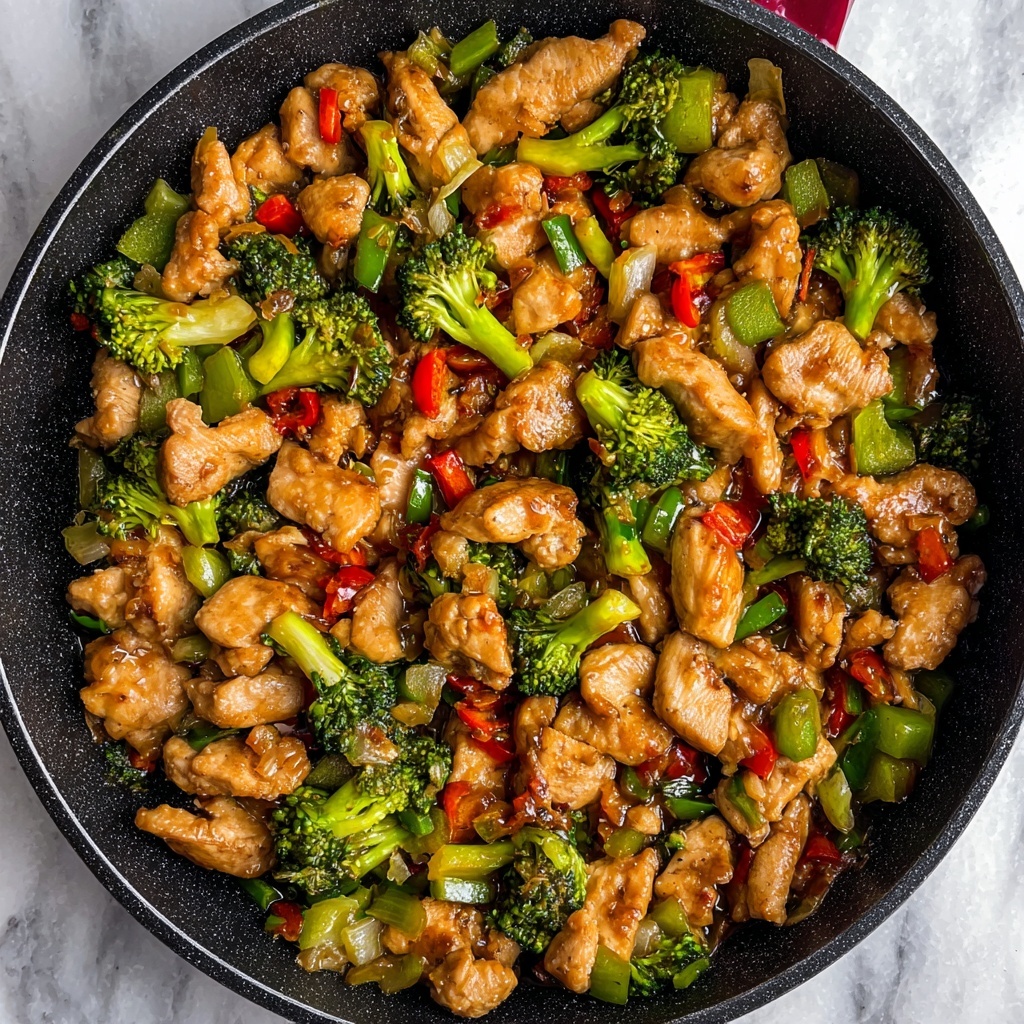
The magic of this Hunan Chicken Recipe lies in its straightforward yet essential ingredients, each adding its unique touch to the ultimate flavor and texture experience. You’ll find that the combination of crisp vegetables, savory sauces, and perfectly cooked chicken elevates every bite.
- 1 pound boneless skinless chicken thighs: Offers tender, juicy meat that stays moist throughout cooking.
- 3 Tablespoons cornstarch (divided): Helps create a crispy coating on the chicken and thickens the sauce beautifully.
- 2 Tablespoons vegetable oil: Ideal for frying the chicken to a golden brown without overwhelming flavors.
- 2 cups broccoli florets: Provides a crunchy, vibrant green element that contrasts nicely with the sauce.
- 1 red bell pepper (sliced): Adds sweetness and a pop of color to brighten up the dish.
- 1 green bell pepper (sliced): Offers a subtle bitter note for balance and a fresh crunch.
- 3 cloves garlic (minced): Delivers a fragrant punch that boosts the overall umami.
- 3 green onions (sliced, plus extra for garnish): Adds freshness and a mild sharpness to the sauce and final presentation.
- 1/2 cup chicken broth: Provides a savory base that ties the sauce together without heaviness.
- 3 Tablespoons soy sauce: Infuses deep salty and umami notes essential to Chinese cuisine flavors.
- 2 Tablespoons brown sugar: Balances out the spice and acidity with a mellow sweetness.
- 1 Tablespoons oyster sauce: Elevates richness and adds a subtle briny depth.
- 1 Tablespoons rice wine vinegar: Brings a sharp tang that lifts the entire dish.
- 1 teaspoon gochujang: Imparts a mildly spicy and fermented flavor kick unique to this recipe.
- 1/4 teaspoon salt: Enhances all flavors without overpowering.
- 1/4 teaspoon black pepper: Adds just the right amount of peppery heat and aroma.
How to Make Hunan Chicken Recipe
Step 1: Prep the Chicken
First things first, toss your bite-sized chicken thighs with 2 tablespoons of cornstarch until they’re evenly coated. This step is essential because the cornstarch will help the chicken develop a lovely, light crispiness once cooked, while also preparing the surface to soak up sauce flavors like a sponge.
Step 2: Whisk Together the Sauce
Next, in a small bowl, mix the chicken broth, soy sauce, brown sugar, oyster sauce, rice wine vinegar, gochujang, salt, black pepper, and the remaining tablespoon of cornstarch. Whisking these ingredients ensures that your sauce will thicken perfectly and boast that irresistible balance of sweet, spicy, and savory that the Hunan Chicken Recipe is known for.
Step 3: Cook the Chicken
Heat the vegetable oil in a large skillet over medium-high heat. Once hot, place the chicken pieces in the pan and cook them for 6 to 8 minutes, flipping halfway through. Watch as they turn golden brown and develop a wonderful crust on the outside—this caramelization is where so much flavor happens. Once cooked, remove the chicken and set it aside with love.
Step 4: Stir-Fry Veggies and Combine
In the same skillet, add the minced garlic, broccoli florets, and sliced bell peppers. Stir-fry these vibrant veggies for about 4 minutes until they’re crisp-tender and fragrant. Pour the sauce mixture over the veggies, stirring constantly until it thickens and coats everything in a glorious glaze. Return the chicken to the skillet, add the sliced green onions, and toss everything together to mix the flavors beautifully.
How to Serve Hunan Chicken Recipe
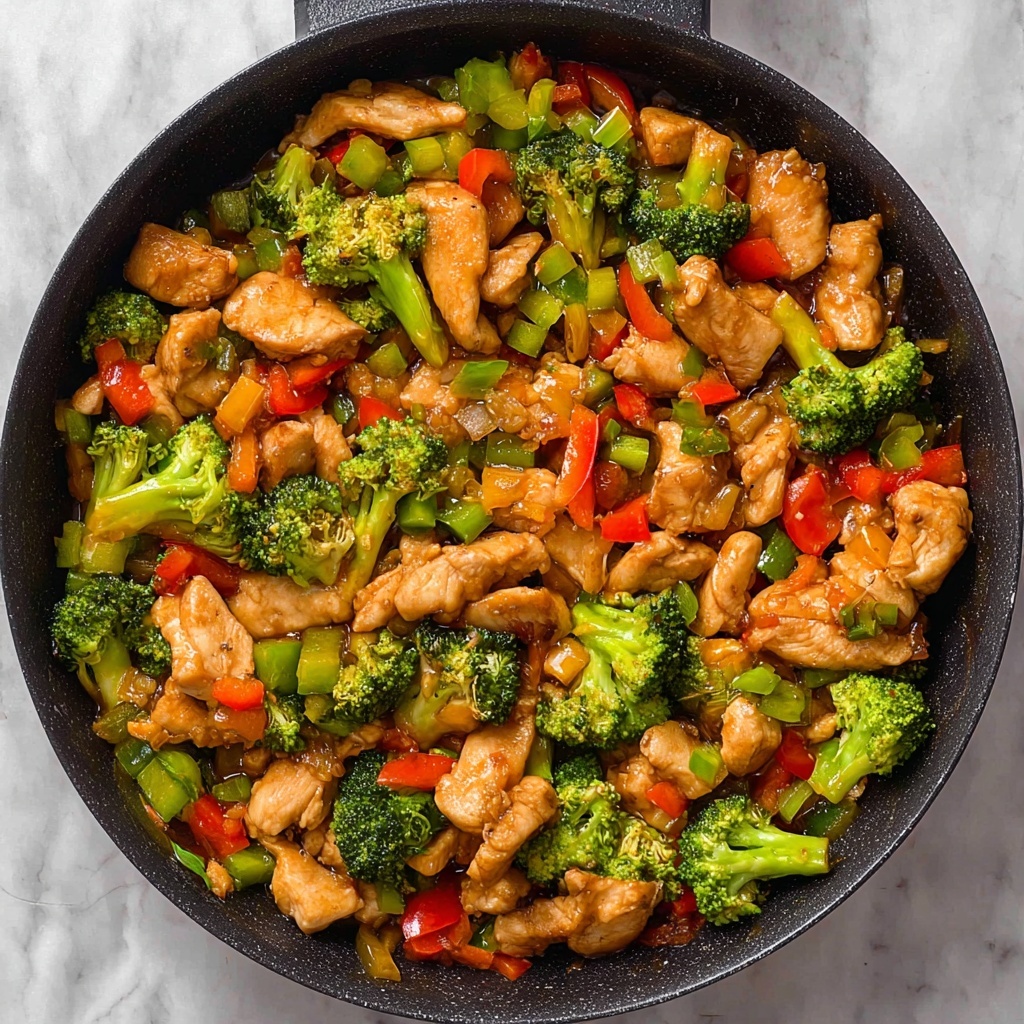
Garnishes
Finishing touches make all the difference. Sprinkle extra sliced green onions on top for a fresh, lively bite that wakes up the senses. If you like a bit more heat, a dash of red chili flakes or thinly sliced fresh chili peppers can kick it up a notch while maintaining the vibrant look.
Side Dishes
This dish pairs perfectly with steamed jasmine rice or fluffy white rice to soak up the saucy goodness. For a lower-carb option, cauliflower rice also works wonderfully. A simple cucumber salad or lightly sautéed bok choy complements the flavors without overpowering them.
Creative Ways to Present
For a fun twist, try serving this Hunan Chicken Recipe over a bed of crispy fried noodles or inside lettuce cups for a hand-held delight. You can also plate it with a colorful sprinkle of toasted sesame seeds or crushed peanuts for extra texture and a nutty aroma.
Make Ahead and Storage
Storing Leftovers
Store any leftover Hunan Chicken in an airtight container in the refrigerator. It will stay fresh and flavorful for up to 3 days, making it an excellent option for quick lunches or dinners during a busy week.
Freezing
You can freeze cooked Hunan Chicken Recipe in a freezer-safe container or heavy-duty bag for up to 2 months. When freezing, separate the chicken and sauce from any rice if serving together to maintain the best texture upon reheating.
Reheating
Reheat leftovers gently on the stovetop over medium heat, stirring frequently until warmed through. Adding a splash of water or chicken broth can help loosen the sauce and keep the chicken tender. Avoid microwave reheating when possible to prevent drying out the chicken.
FAQs
Can I use chicken breasts instead of thighs?
Absolutely. While thighs offer extra juiciness and flavor, chicken breasts work fine if you prefer a leaner cut. Just keep an eye on them during cooking as they might dry out faster.
Is gochujang essential for the sauce?
Gochujang gives this Hunan Chicken Recipe its signature mild heat and fermented flavor. If you can’t find it, substitute with a small amount of chili paste or sriracha, but know that the taste profile will slightly differ.
Can I make this dish vegetarian?
Yes! Swap the chicken for tofu or tempeh and use vegetable broth instead of chicken broth. The rest of the ingredients stay the same for a delicious vegetarian version.
How spicy is this Hunan Chicken Recipe?
This recipe has a pleasant mild heat that you can adjust by modifying the amount of gochujang or adding extra chili flakes to your liking. It’s perfect for those who enjoy a little kick without overwhelming heat.
What’s the best way to cut the vegetables?
Slicing the peppers into thin strips and chopping broccoli into uniform bite-sized florets ensures even cooking and a balanced texture alongside the chicken.
Final Thoughts
There’s something truly special about making the Hunan Chicken Recipe at home—its vibrant flavors and exciting textures bring a spark to any meal. Whether you are cooking for family, friends, or just yourself, this dish promises to deliver comfort and joy on every plate. So grab your ingredients, turn up the heat in the kitchen, and enjoy every delicious moment!
Print
Hunan Chicken Recipe
- Prep Time: 15 minutes
- Cook Time: 15 minutes
- Total Time: 30 minutes
- Yield: 4 servings
- Category: Main Course
- Method: Stovetop
- Cuisine: Chinese
Description
Hunan Chicken is a flavorful Chinese stir-fry dish featuring tender chicken thighs, crisp broccoli, and vibrant bell peppers tossed in a spicy, savory sauce with a hint of sweetness. Perfect for a quick and satisfying weeknight meal, this recipe combines aromatic garlic and green onions with a luscious sauce made from soy, oyster sauce, and gochujang chili paste for an authentic Hunan-style experience.
Ingredients
Chicken
- 1 pound boneless skinless chicken thighs, cut into bite-sized pieces
- 3 Tablespoons cornstarch (divided)
Vegetables
- 2 cups broccoli florets
- 1 red bell pepper, sliced
- 1 green bell pepper, sliced
- 3 cloves garlic, minced
- 3 green onions, sliced (plus extra for garnish)
Sauce
- 1/2 cup chicken broth
- 3 Tablespoons soy sauce
- 2 Tablespoons brown sugar
- 1 Tablespoon oyster sauce
- 1 Tablespoon rice wine vinegar
- 1 teaspoon gochujang
- 1/4 teaspoon salt
- 1/4 teaspoon black pepper
Other
- 2 Tablespoons vegetable oil
Instructions
- Coat the Chicken: Toss the chicken pieces with 2 tablespoons of cornstarch until evenly coated. Set aside to allow the coating to adhere.
- Prepare the Sauce: In a small bowl, whisk together the chicken broth, soy sauce, brown sugar, oyster sauce, rice wine vinegar, gochujang, salt, black pepper, and 1 tablespoon of cornstarch. This mixture will thicken the sauce during cooking.
- Cook the Chicken: Heat the vegetable oil in a large skillet over medium-high heat. Add the chicken and cook for 6-8 minutes, flipping halfway through, until golden brown and cooked through. Remove the cooked chicken from the skillet and set aside.
- Stir-fry the Vegetables: In the same skillet, add the minced garlic, broccoli florets, and sliced red and green bell peppers. Stir-fry for 3-4 minutes until the vegetables are just tender but still crisp.
- Add Green Onions and Sauce: Add the sliced green onions to the skillet, followed by the prepared sauce. Stir well, allowing the sauce to thicken and coat the vegetables evenly.
- Combine Chicken and Garnish: Return the cooked chicken to the skillet and toss everything to combine and heat through. Garnish with additional green onions before serving.
Notes
- For extra heat, increase the amount of gochujang or add red pepper flakes to taste.
- Use chicken breast if preferred, but adjust cooking time to prevent drying out.
- This recipe can be served over steamed rice or noodles for a complete meal.
- Make sure not to overcook the vegetables; they should be tender-crisp for the best texture.