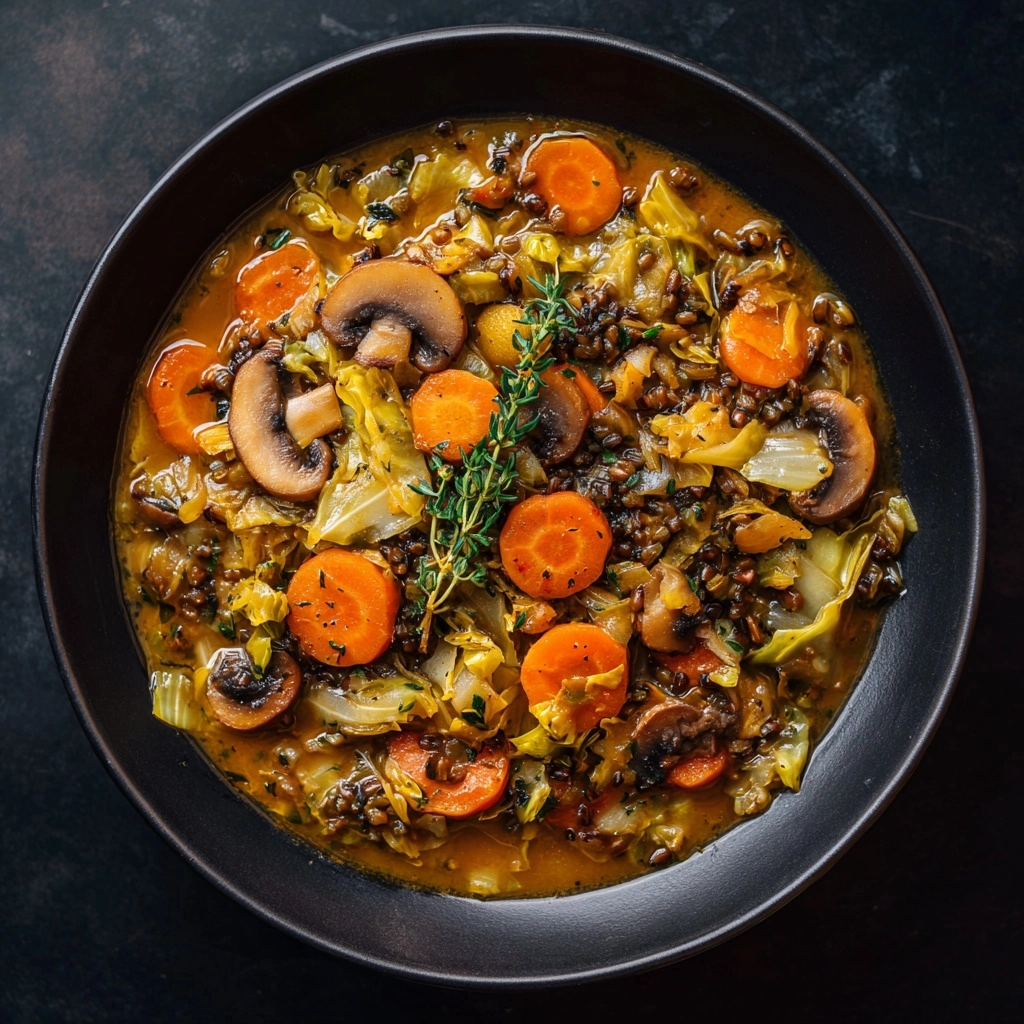
If you’ve ever wondered about the comforting flavors of early American cooking, this Colonial Vegetable Pottage Recipe is a delightful window into the past. It’s a hearty, rustic stew brimming with earthy root vegetables, tender cabbage, and fragrant herbs that come together in one satisfying pot. What makes this dish truly special is how simple ingredients combine to create an authentic taste that is both nourishing and steeped in history. Whether you’re a history buff or just love a good, wholesome bowl of soup, this recipe will quickly become a favorite in your kitchen.
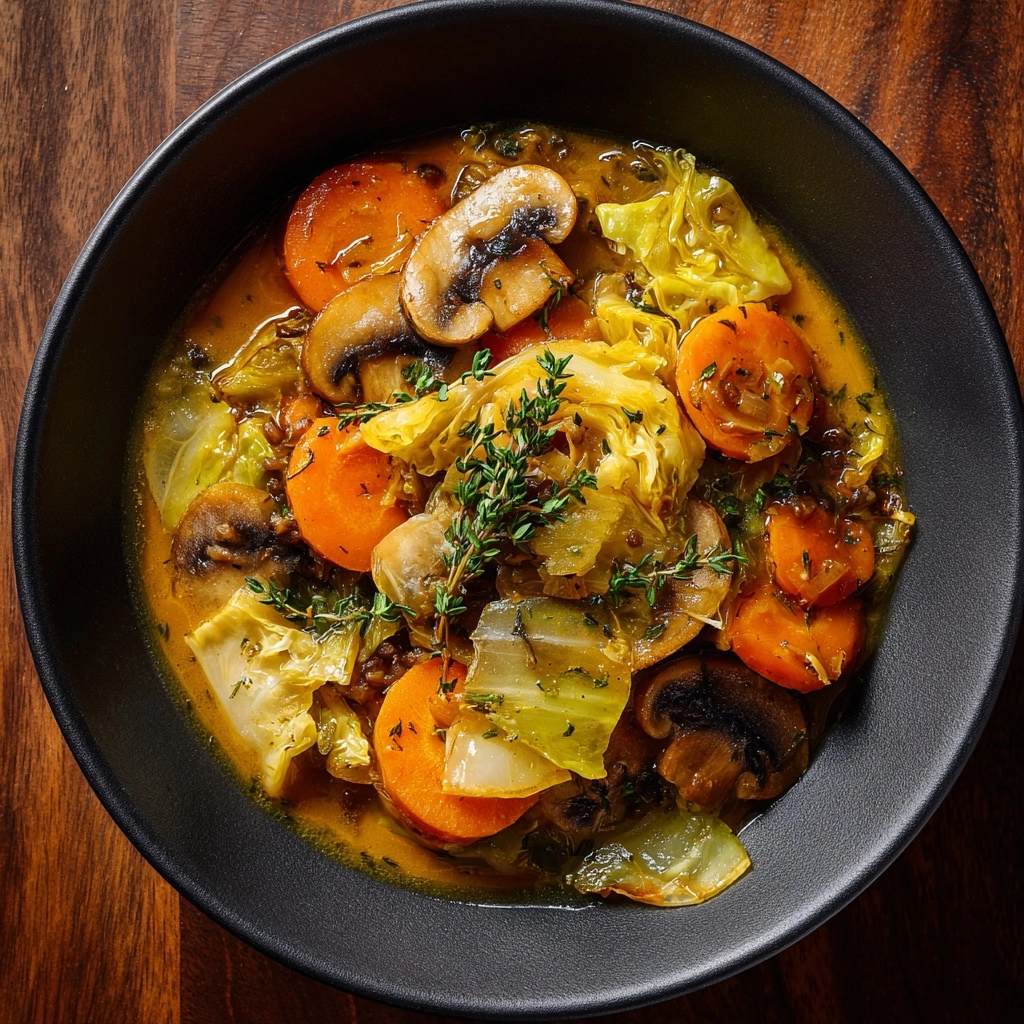
Ingredients You’ll Need
The beauty of this Colonial Vegetable Pottage Recipe lies in its simplicity. Each ingredient plays a crucial role, offering layers of flavor, texture, and color that transform humble vegetables into a soul-warming stew. Let’s gather these essentials that are easy to find but packed with taste.
- 2 tablespoons olive oil or butter: For sautéing, adds richness and helps soften the aromatic base.
- 1 medium onion (chopped): Provides sweetness and depth at the foundation of the stew.
- 2 garlic cloves (minced): Gives a subtle, fragrant kick that enhances every bite.
- 2 carrots (sliced): Adds natural sweetness and a lovely orange hue.
- 2 parsnips (sliced): Brings an earthy sweetness with a slightly nutty flavor.
- 2 potatoes (peeled and cubed): Create heartiness and a creamy texture when cooked.
- 1 cup diced turnip or rutabaga: Introduces a mild peppery note and vibrant color.
- 1 celery stalk (chopped): Adds fresh, crisp undertones and balances sweetness.
- 1 bay leaf: Infuses a subtle herbal aroma that lingers throughout the stew.
- 1 teaspoon dried thyme: Lends an earthy, slightly minty flavor complementing the root vegetables.
- 1 teaspoon dried sage: Offers a soft, woodsy note that evokes traditional colonial cooking.
- ½ teaspoon salt: Enhances all the natural flavors without overpowering them.
- ½ teaspoon black pepper: Adds a gentle warmth and mild spice.
- 4 cups vegetable broth or water: The rich liquid base that melds all the flavors together.
- 1 cup green cabbage (shredded): Provides a tender crunch and light sweetness.
- ½ cup cooked barley or oats (optional for thickening): Makes the stew more filling and adds a chewy texture.
- Chopped fresh parsley for garnish: Brightens the dish with a fresh, herbaceous finish.
How to Make Colonial Vegetable Pottage Recipe
Step 1: Sauté the Aromatics
Begin by warming your olive oil or butter in a large pot over medium heat. This step is where the magic begins as the chopped onion and minced garlic soften and release their sweet and fragrant essences. Cook them gently for about five minutes until they become translucent and tender, setting a flavorful foundation for the rest of the stew.
Step 2: Add the Root Vegetables and Celery
Next, introduce the carrots, parsnips, potatoes, turnip, and celery to the pot. These vegetables bring an earthy heartiness to the recipe and their combining textures make every spoonful interesting. Allow them to cook together for about five to seven minutes, stirring occasionally so they don’t stick or brown too much. This softens the vegetables slightly and begins to meld their flavors.
Step 3: Season and Simmer
Now it’s time for your herbs and spices. Toss in the bay leaf, dried thyme, dried sage, salt, and black pepper. Pour in the vegetable broth or water to cover everything. Bring the pot to a boil, then reduce the heat to simmer uncovered. Let this blend simmer gently for 25 to 30 minutes, allowing the vegetables to soften fully and the broth to develop a rich, fragrant flavor that reflects historic colonial cooking techniques.
Step 4: Add Cabbage and Optional Grains
Finally, stir in the shredded green cabbage and cooked barley or oats if you chose to include them for extra texture and fullness. Let the pottage simmer for an additional 5 to 10 minutes. This step brings freshness with the cabbage and added heartiness with the grains, marrying all elements before removing your bay leaf. Give it a final taste and adjust seasoning as needed to make it your own.
How to Serve Colonial Vegetable Pottage Recipe
Garnishes
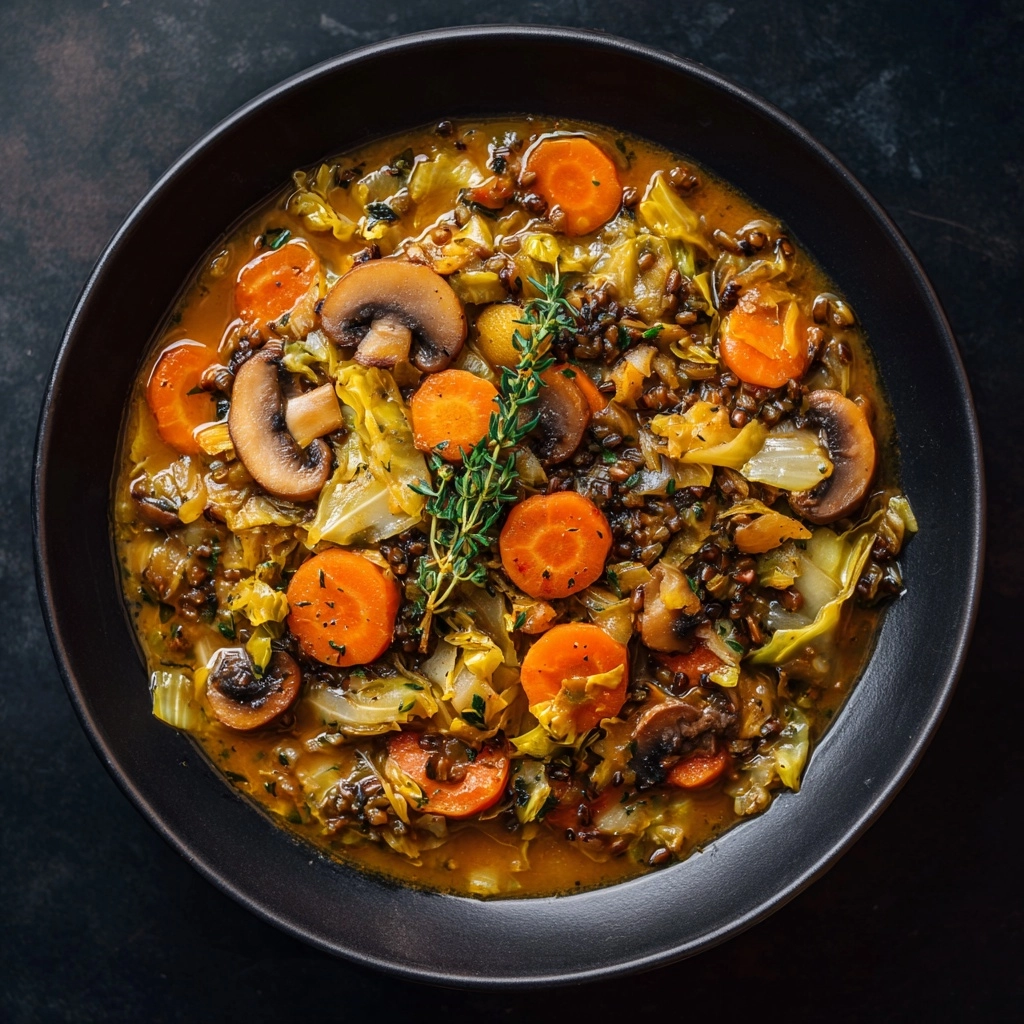
A sprinkle of chopped fresh parsley on top adds a burst of color and an herbaceous note that complements the dish’s earthy flavors beautifully. Sometimes a small drizzle of high-quality olive oil right before serving can also enhance the richness and deepen the aroma.
Side Dishes
This stew pairs wonderfully with rustic bread or classic cornbread, perfect for soaking up every last bit of that flavorful broth. If you want to keep with the colonial theme, a side of simple stewed beans or a fresh garden salad with a light vinaigrette also makes for a delightful contrast.
Creative Ways to Present
For a cozy dinner, serve the pottage in charming earthenware bowls to enhance the rustic feel. Alternatively, hollowed-out bread bowls or small cast iron pots can turn this simple dish into an impressive centerpiece at your table, making it both homey and special.
Make Ahead and Storage
Storing Leftovers
Colonial Vegetable Pottage Recipe tastes even better the next day as the flavors continue to meld. Store leftovers in an airtight container in the refrigerator for up to 4 days, making it a perfect make-ahead meal for busy weeknights.
Freezing
You can freeze this pottage easily. Just cool it completely and transfer to freezer-safe containers or bags. It will keep well for up to three months. When you’re ready, thaw overnight in the refrigerator before reheating.
Reheating
Reheat gently on the stovetop over medium-low heat, stirring occasionally until warmed through. If the stew has thickened, add a splash of water or broth to loosen the texture to your preference. Microwave reheating also works well in short bursts, stirring between intervals.
FAQs
Can I use other vegetables in the Colonial Vegetable Pottage Recipe?
Absolutely! Seasonal root vegetables such as sweet potatoes or beets work beautifully. You can also add beans or legumes for extra protein, adjusting cooking times as needed to maintain texture.
Is this recipe suitable for a gluten-free diet?
Yes, it is! Simply omit the barley or substitute it with gluten-free grains like quinoa or gluten-free oats, and you’ll have a hearty, gluten-free stew.
Can I make this pottage in a slow cooker?
Definitely. After sautéing the aromatics, transfer all ingredients to a slow cooker and cook on low for 6 to 8 hours or on high for 3 to 4 hours. Add cabbage and grains during the last 30 minutes of cooking.
What’s the best way to ensure the vegetables don’t get mushy?
Keep an eye on the simmering time and test the vegetables frequently. You want them tender but still holding their shape to retain texture and visual appeal.
Is this recipe vegan?
Yes, as written with olive oil and vegetable broth, it’s completely vegan. Using butter would make it vegetarian, so just swap the fat accordingly based on your preference.
Final Thoughts
There’s something incredibly rewarding about making the Colonial Vegetable Pottage Recipe, not just because of its rich and comforting flavors, but because it connects you to a beautiful culinary tradition from America’s past. Whether you’re cooking for cozy family dinners or want to impress guests with a touch of history on your table, this pottage brings warmth and rustic charm to every meal. Give it a try and savor a delicious taste of history that feels just like home.