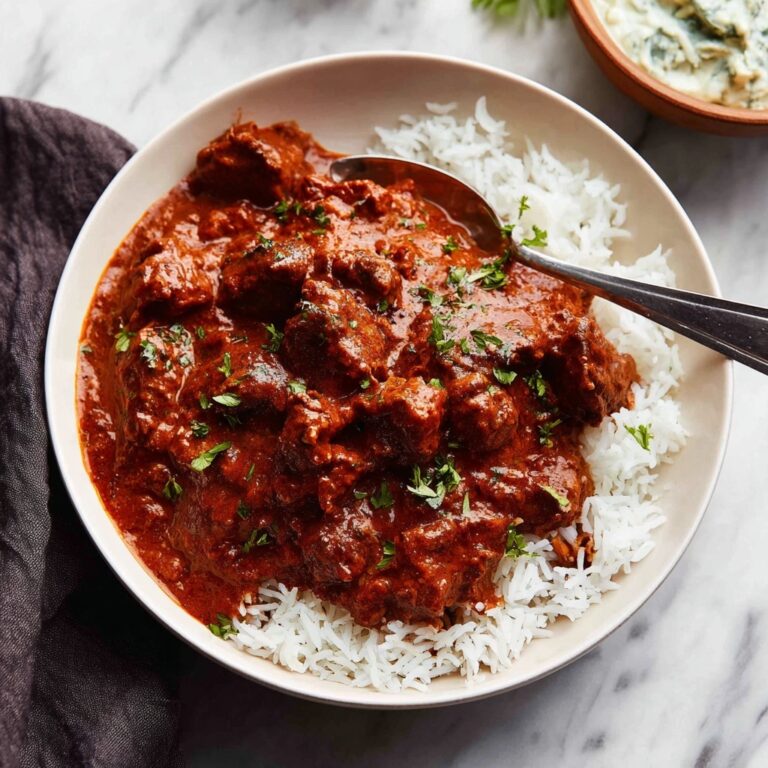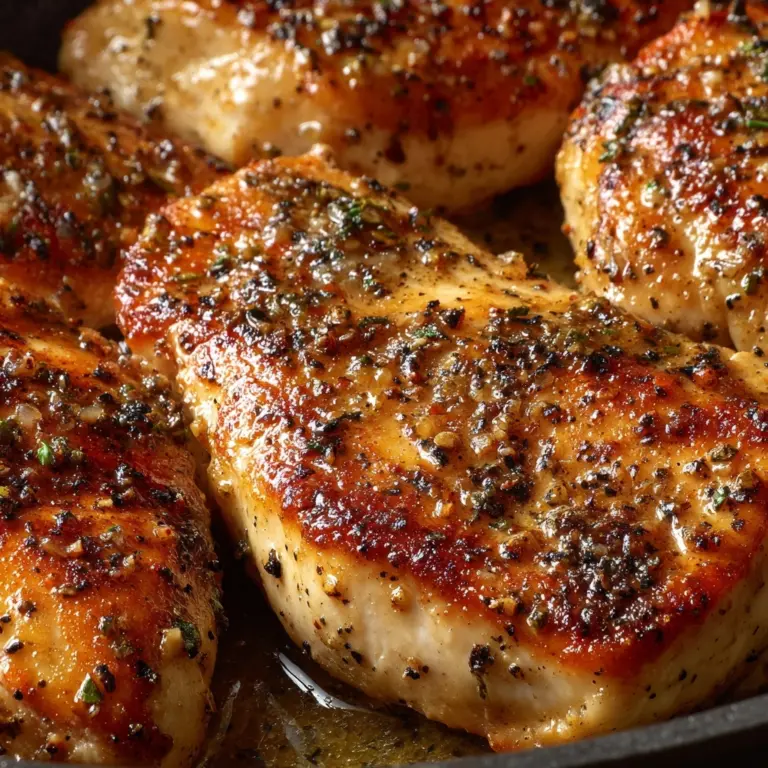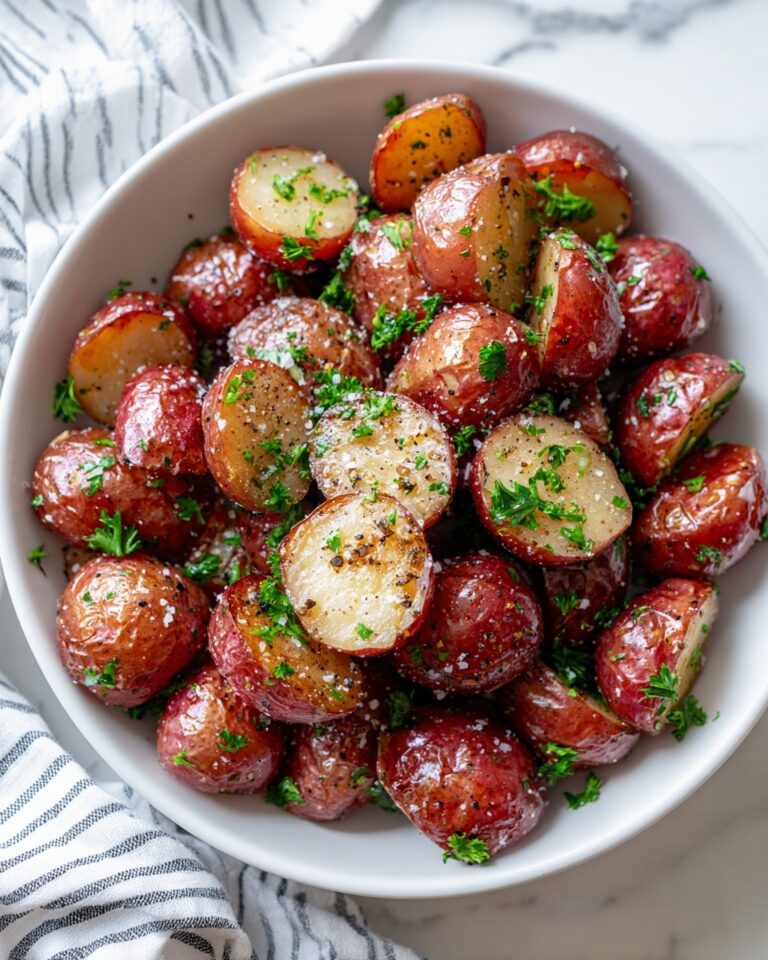
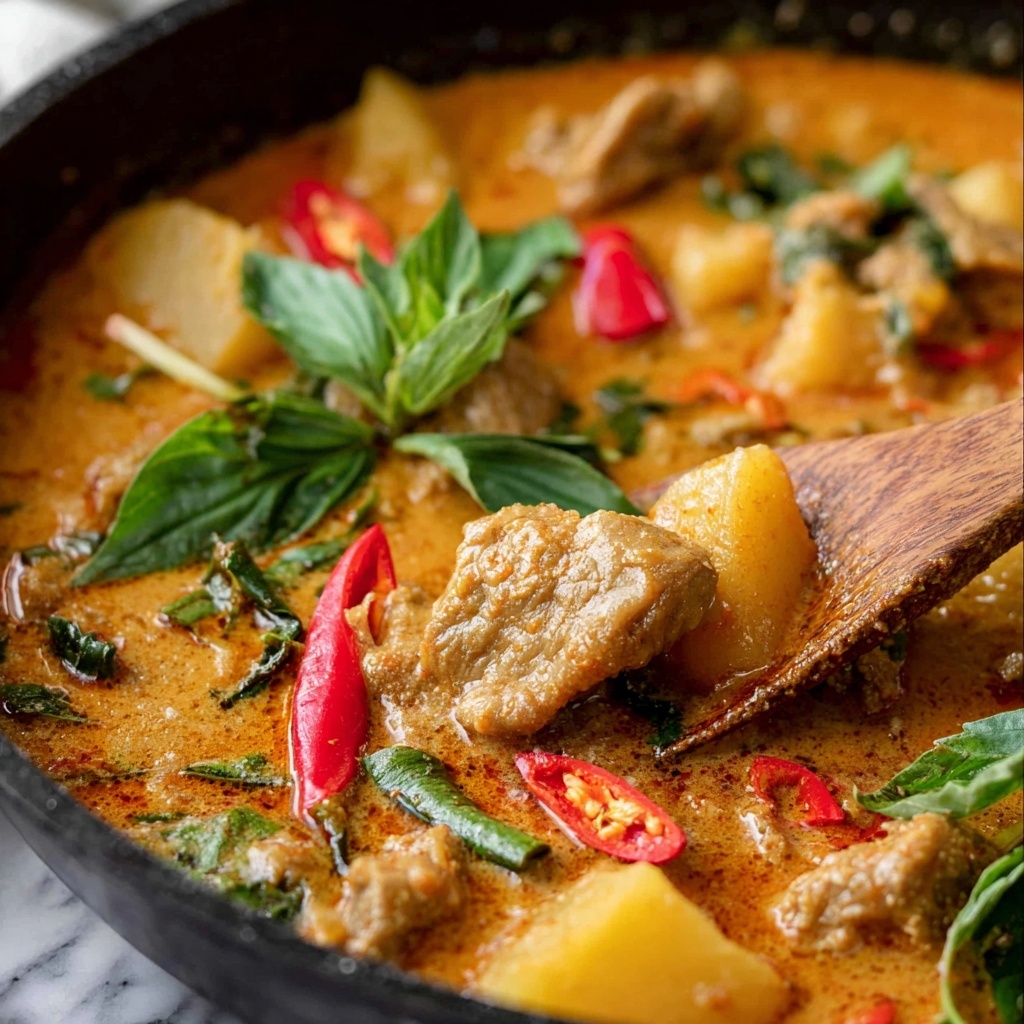
If you’ve ever craved a dish that perfectly balances bold flavors, creamy textures, and vibrant colors, then this Thai Red Curry with Chicken and Vegetables Recipe is going to be your new best friend in the kitchen. It combines tender chicken thighs, fresh veggies like pumpkin and green beans, and that unmistakable warm, spicy, and aromatic curry sauce made from fragrant Thai red curry paste and creamy coconut milk. This recipe is not only a feast for your taste buds but also brings a comforting, home-cooked charm to any dinner table.
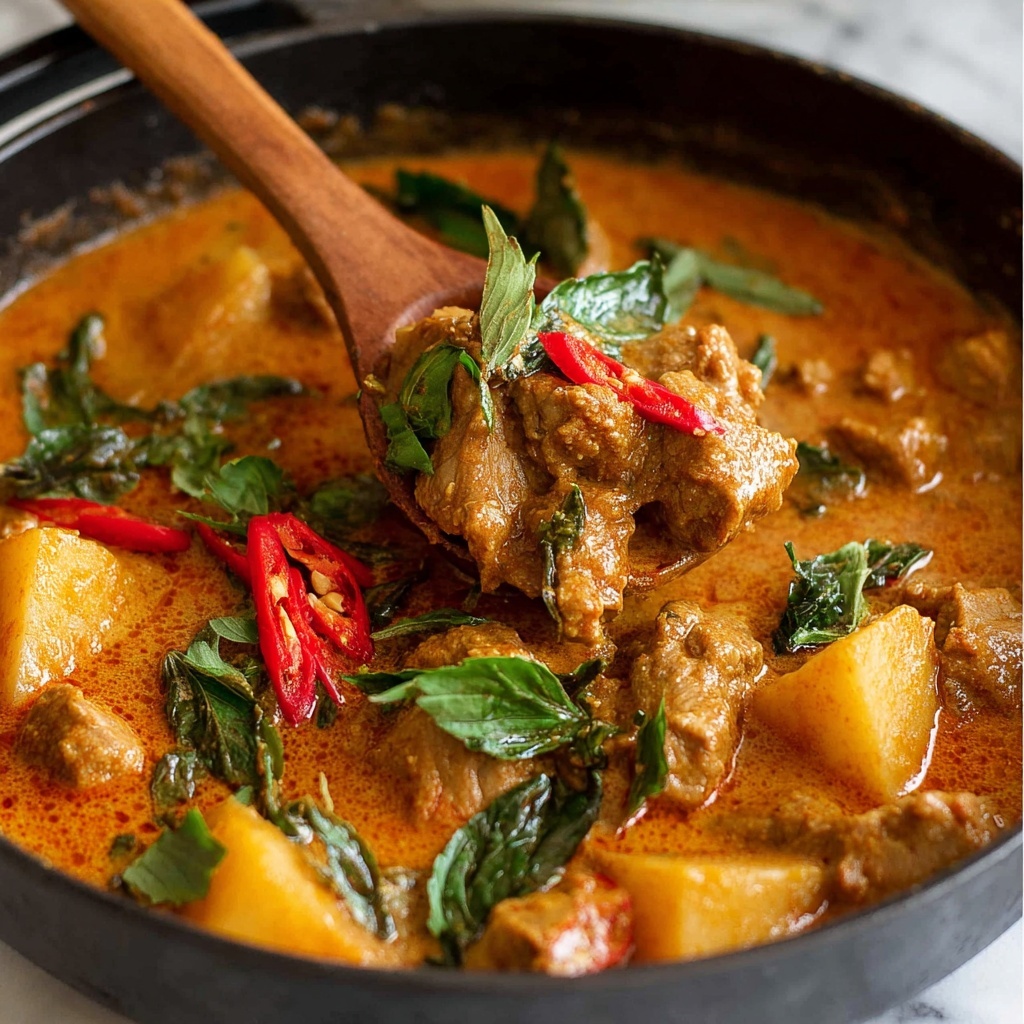
Ingredients You’ll Need
Getting the ingredients right is the secret to elevating this Thai Red Curry with Chicken and Vegetables Recipe. Thankfully, the list is straightforward, featuring pantry staples and fresh produce that together create a symphony of flavor and texture.
- 5 – 6 tbsp Thai Red Curry Paste: This is the soul of the curry; I recommend Maesri brand for authentic flavor.
- 2 large garlic cloves, minced: Adds savory depth and a subtle pungency that lifts the dish.
- 2 tsp fresh ginger, finely grated: Brings a zesty warmth complementing the curry spices.
- 1 tbsp lemongrass paste (or fresh lemongrass): Infuses a citrusy brightness that’s essential to Thai cuisine.
- 3 tbsp vegetable oil: Use neutral oils like canola or peanut to sauté without overpowering flavors.
- 1 cup chicken broth, low sodium: Helps dissolve curry paste and balances richness.
- 400 ml full-fat coconut milk: Creates the creamy and luscious base that balances heat and spice.
- 6 kaffir lime leaves: Imparts a unique citrus aroma critical for that authentic flavor punch.
- 1 tbsp sugar: White, brown, or palm sugar all work to add gentle sweetness.
- 2 tsp fish sauce (plus extra): Adds umami and complexity; adjust for taste.
- 350g boneless, skinless chicken thighs: Sliced thinly to absorb the curry’s flavors perfectly.
- 150g pumpkin or butternut squash, cubed: Offers a tender sweetness and lovely color contrast.
- 120g green beans, trimmed: Adds crunch and refreshes the curry with a burst of green.
- 12 Thai basil leaves: They add a fragrant, peppery finish that’s a must-have herb here.
- Fresh red chili slices: Optional but perfect if you crave an extra touch of heat.
- Fresh coriander/cilantro leaves: Garnishes with a clean, herbal brightness.
- Steamed jasmine rice: The perfect fluffy base to soak up the luscious curry sauce.
How to Make Thai Red Curry with Chicken and Vegetables Recipe
Step 1: Heat the Oil and Curry Paste
Start by heating the vegetable oil in a large heavy-based skillet over medium-high heat. Once hot, add the Thai red curry paste and any extras if you’re using a pre-made jar paste. Cook the paste for about 2 minutes, stirring often, to “dry out” the paste slightly and intensify the flavors. This step is crucial because it unlocks the aromatic oils trapped in the curry paste, laying the groundwork for a rich curry.
Step 2: Dissolve the Paste with Chicken Broth
Next, pour in the chicken broth and stir well to dissolve the curry paste. Let this simmer rapidly for around 3 minutes until the liquid reduces by about half. This reduction concentrates the flavors and makes sure the curry paste is fully melted into the dish, preventing any grainy texture.
Step 3: Add Coconut Milk, Lime Leaves, Sugar, and Fish Sauce
Now, add the full-fat coconut milk, kaffir lime leaves, sugar, and fish sauce to the skillet. Stir everything together, then add the sliced chicken thighs. Spread the chicken evenly in the pan, bring it to a gentle simmer, and lower the heat to medium.
Step 4: Simmer Until Chicken is Cooked
Let the curry simmer for 8 to 10 minutes. This allows the sauce to thicken slightly and the chicken to cook through thoroughly. During this time, the curry sauce will reduce to the ideal consistency—creamy, luscious, but not too thin or too thick. This slow simmering is when the ingredients truly meld into a harmonious blend of tastes.
Step 5: Adjust Seasoning
Give the curry a careful taste test. If you want it saltier, add a little more fish sauce (or even a pinch of shrimp paste if you’re adventurous). For more sweetness, sprinkle in a bit more sugar. Balancing these flavors perfectly is part of what makes this Thai Red Curry with Chicken and Vegetables Recipe so satisfying and adaptable to your personal taste.
Step 6: Add Pumpkin and Green Beans
Stir in the cubed pumpkin and trimmed green beans. Cook the curry for another 3 minutes or until the pumpkin becomes just tender and the green beans retain a pleasant snap. The vegetables bring not only color but delightful texture contrasts making every bite exciting.
Step 7: Finish with Thai Basil Leaves
Remove the skillet from heat and fold through a handful of fresh Thai basil leaves. They infuse the curry last-minute with vibrant aroma and a touch of herbal bitterness, rounding out the dish beautifully.
Step 8: Serve Over Jasmine Rice
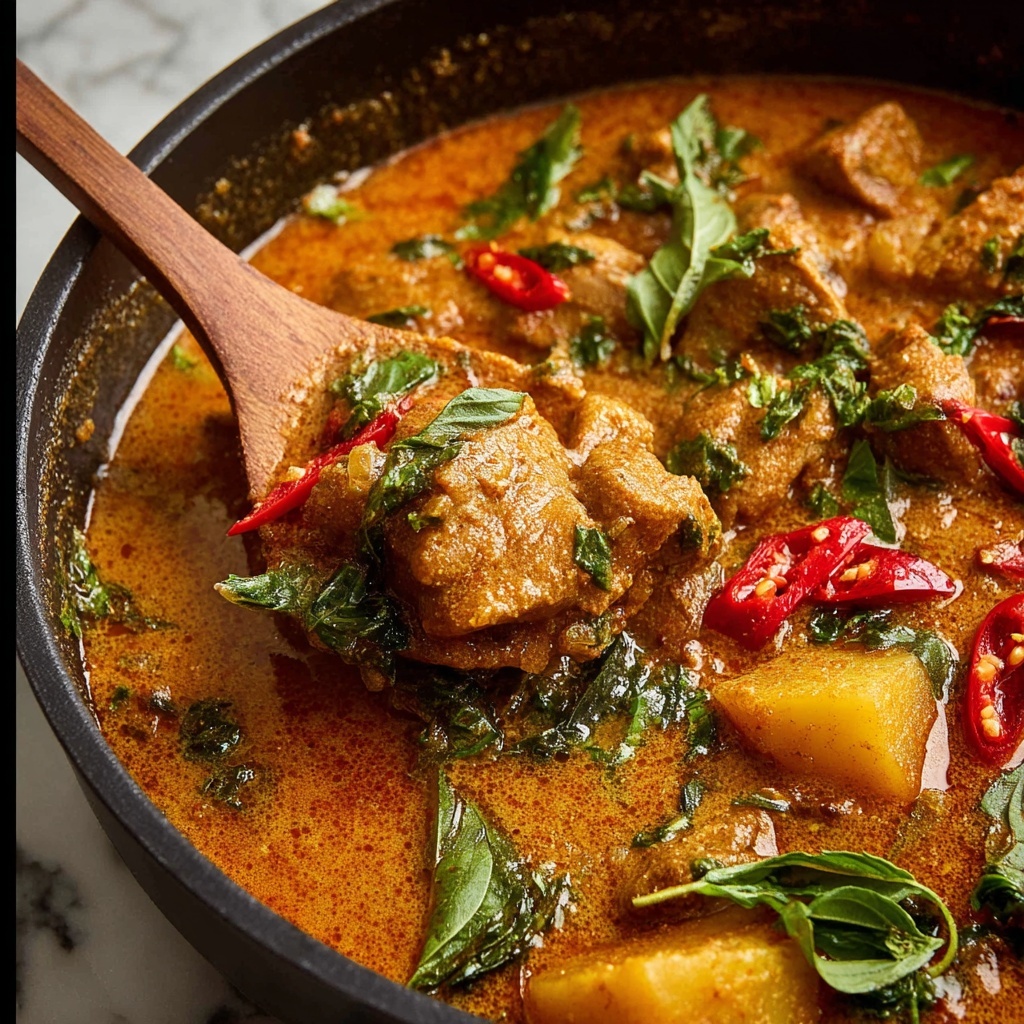
Serve this incredible Thai Red Curry with Chicken and Vegetables Recipe piping hot over fluffy jasmine rice. Garnish generously with fresh red chili slices and bright coriander or cilantro leaves for an inviting presentation and burst of freshness.
How to Serve Thai Red Curry with Chicken and Vegetables Recipe
Garnishes
A sprinkle of fresh red chili slices not only adds color but gives an exciting burst of heat just when you need it. Bright coriander or cilantro leaves lift every spoonful with their crisp, citrusy notes. Don’t skip these garnishes—they transform the curry visually and flavor-wise.
Side Dishes
While the curry itself makes a full meal, pairing it with steamed jasmine rice is a classic must. For a super balanced meal, serve alongside lightly sautéed Asian greens like bok choy or a refreshing green papaya salad to contrast creaminess with crunchy freshness.
Creative Ways to Present
For a fun twist, try serving the curry in individual coconut bowls or alongside crispy rice crackers. You can also add a squeeze of fresh lime juice on top or a spoonful of toasted coconut flakes for added texture and tropical flair. Presentation plays an important role in enhancing the overall experience and making your meal feast-worthy.
Make Ahead and Storage
Storing Leftovers
This Thai Red Curry with Chicken and Vegetables Recipe keeps beautifully in an airtight container in the fridge for up to 3 days. The flavors even deepen after resting overnight, so leftovers taste fantastic reheated.
Freezing
If you want to save the curry for longer, it freezes well. Portion it into freezer-safe containers and store for up to 2 months. Just keep in mind that the texture of some vegetables like pumpkin might soften a bit upon thawing.
Reheating
Reheat gently on the stovetop over medium-low heat, stirring occasionally to prevent the coconut milk from separating. Add a splash of water or broth if the sauce thickens too much. Avoid microwaving at high power to maintain the curry’s creamy texture.
FAQs
Can I use chicken breast instead of thighs?
Yes, you can substitute chicken breast if you prefer. Just be careful not to overcook it, as breast meat can dry out faster than thighs. Slice it thinly and keep a close eye during simmering.
What can I substitute for kaffir lime leaves?
If you can’t find kaffir lime leaves, lime zest or a little lime juice can add some citrus brightness. However, the unique flavor of kaffir leaves is difficult to replicate completely.
Is this recipe very spicy?
The spice level is moderate and depends on the amount and brand of curry paste used. You can always adjust by adding fewer or more chili slices or using a milder curry paste to suit your tolerance.
Can I make the curry vegan or vegetarian?
Absolutely! Replace the chicken with tofu or extra vegetables, and swap fish sauce with soy sauce or tamari. The curry paste itself is usually vegan, but double-check the label to be sure.
Why is my curry sauce grainy sometimes?
Graininess often comes from cooking the curry paste too quickly or not enough oil in the pan initially. Make sure to cook the paste in oil to release its flavors properly, and stir thoroughly when adding liquids to prevent clumping.
Final Thoughts
This Thai Red Curry with Chicken and Vegetables Recipe is truly one of those dishes that feels like a warm hug in a bowl. Whether you’re cooking for a family dinner or impressing friends with your culinary skills, it’s easy to prepare yet packed with authentic flavor and vibrant textures. I hope you enjoy making and savoring this recipe as much as I do, because sometimes, the simplest ingredients come together to create the most memorable meals.